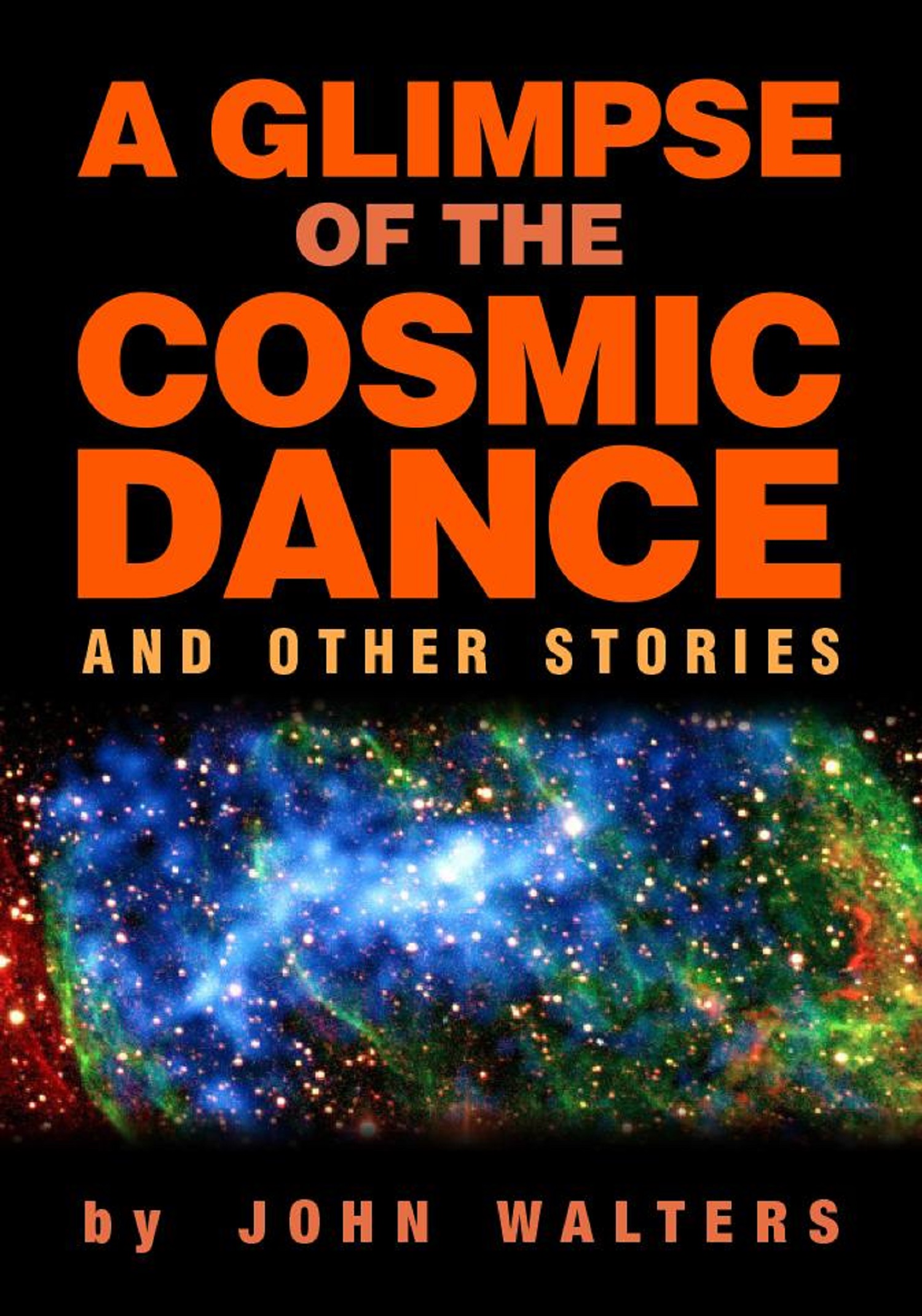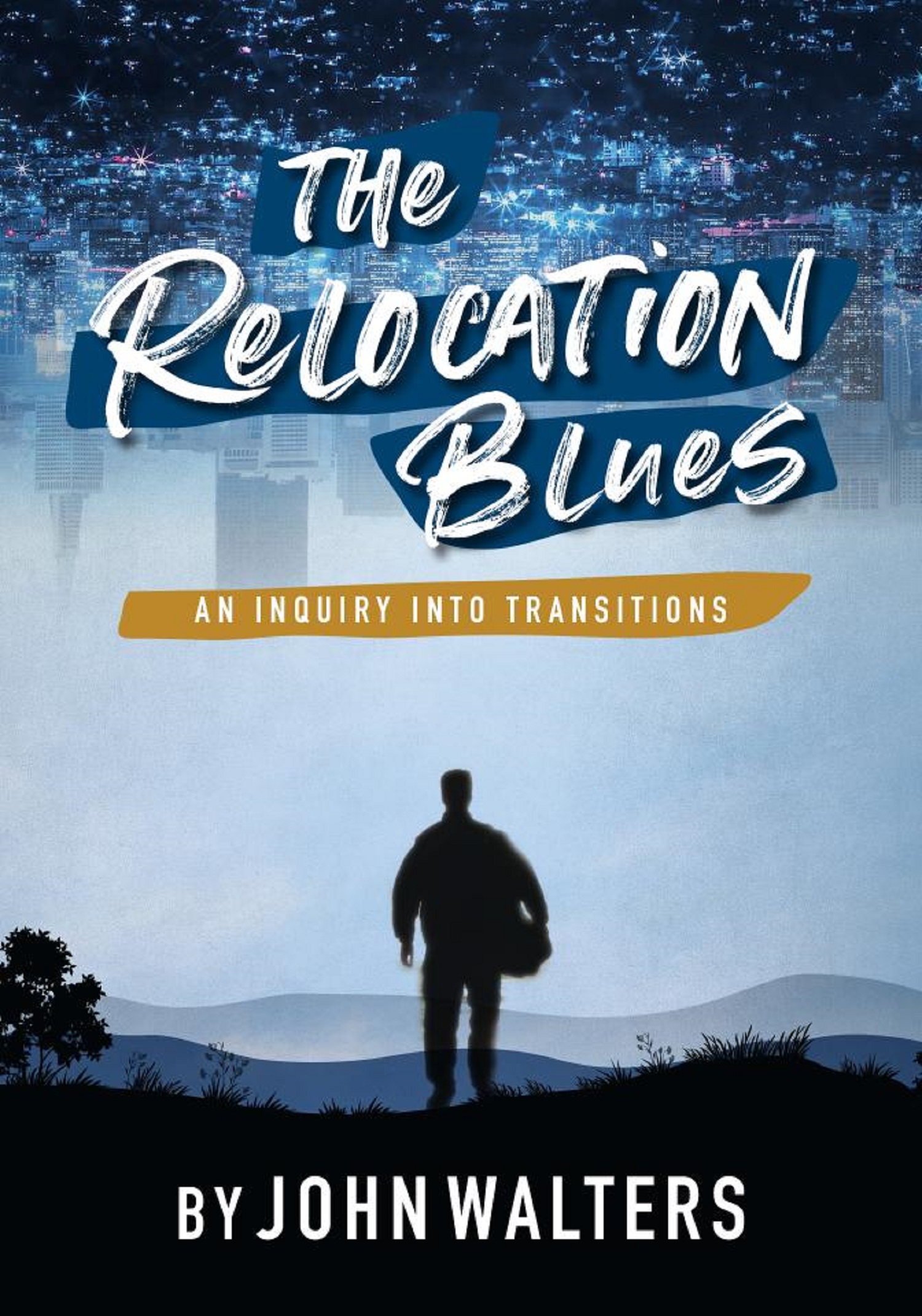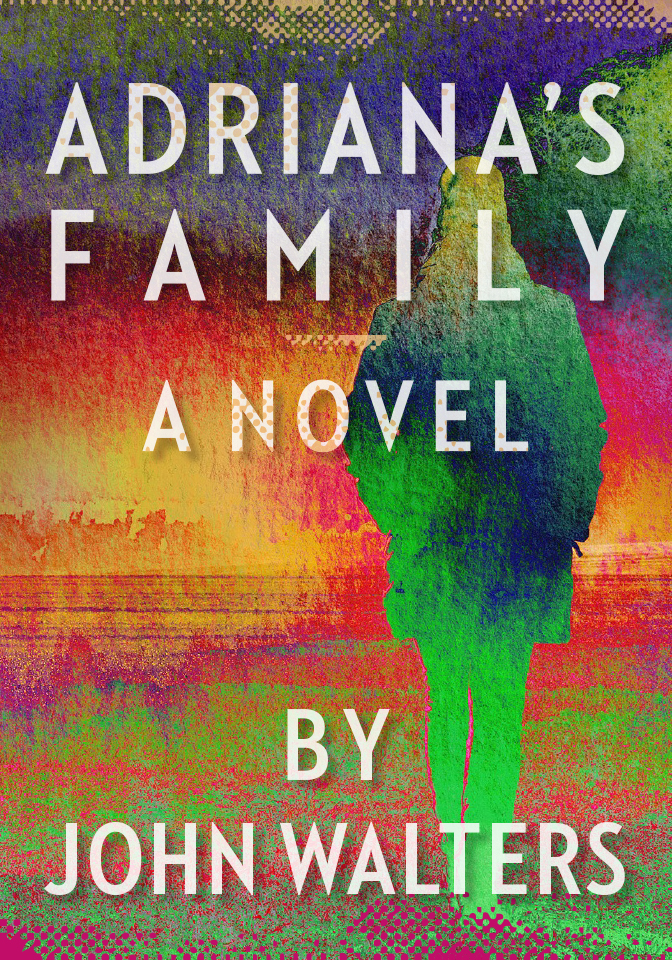
The publication of my fourteenth short story collection, The Dire Wolf and Other Stories, has caused me to reminisce about the various methods I attempted, especially in the early days, to get my stories into print. By early days, I am referring to the time when my wife and I settled in Thessaloniki, Greece, to raise our family, and I took up writing again after a hiatus that had lasted decades.
It was the mid-1990s. Personal computers were still in their infancy, but at least I could work at the same computer the boys played rudimentary games on rather than use a manual typewriter. After my decades of world traveling, I had no trouble in coming up with ideas, either; the main problem was how to submit stories to magazines after I’d written them. In those days, writers would submit completed manuscripts along with a stamped, self-addressed envelope. Editors would return the manuscript, if rejected, along with a separate rejection letter; they would not sully the manuscript itself so the writer could resend it to other markets. The difficulty I encountered was that the self-addressed envelope required U.S. stamps, which I had no access to.
The first idea I came up with was to send my manuscripts to my father in the States along with a list of possible markets culled from yearly Writer’s Market listings. He could then send out the stories for me using his address for the returns. We did this for a half dozen or so stories, but it was an awkward solution. And then I found out about international reply coupons. With these, I could send the stories directly to publishers myself, and if necessary, the publishers would use the IRCs to send the stories back. At first it was easy to find IRCs at the post offices in Thessaloniki, but as my demand increased, the post offices started to run out and I had to go farther and farther to find them. In this digital era, many countries, including the U.S., have stopped selling IRCs, but back then they offered me a much easier way to send out my manuscripts than using an intermediary like my father.
By the late 1990s, my stories had started to sell. And around the same time, wonder of wonders, genre magazines began to accept electronic submissions. I found lists of submission guidelines and email addresses online, and soon after I switched over almost exclusively from paper to digital submissions.
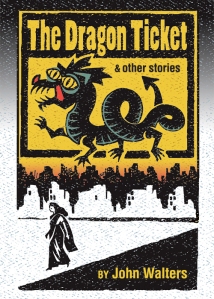
When I finished my first novel, I wasn’t quite sure what to do with it. If I had remained in the States I would have been attending conventions and other literary events all these years, and I might have made some contacts that would have simplified the process of marketing my books. As it was, I felt isolated and alone, far away from the epicenter of publishing. At one point, I culled a list of about two hundred agents and publishers from Writer’s Market and sent out simultaneous queries to them all. Only about half a dozen replied – with form rejection slips. Then I heard about the new phenomenon of self-publishing, read a few success stories, and decided to give it a try. After studying how to lay out my manuscripts and getting some assistance from my sister, a professional graphic designer, for the covers, first up was my short story collection The Dragon Ticket and Other Stories, followed by my road memoir World Without Pain: The Story of a Search, and my novel Love Children. After that, more books followed, sometimes multiple titles a year. Discoverability for self-published works was easier in those days because there was less competition.
Since then, I have continued to publish as a hybrid author; that is, with stories appearing in traditional magazines and anthologies, and books appearing under my own imprint. Anything to get my writing out there into the hands of readers.
Which brings me back to the exciting new collection The Dire Wolf and Other Stories. It is available now as an e-book; the print edition will arrive soon.