This is the third book I have read by Richard Holmes, the others being The Age of Wonder: How the Romantic Generation Discovered the Beauty and Terror of Science and Footsteps: Adventures of a Romantic Biographer. In both these tomes I encountered the same difficulty as with The Boundless Deep: Holmes’s subject matter is uniformly fascinating, but his prose can be unnecessarily dense and he takes his time getting to the point. It took me a few dozen pages to get into this new work, but once I did, I was swept away into the literary and scientific mileau of England in the nineteenth century.
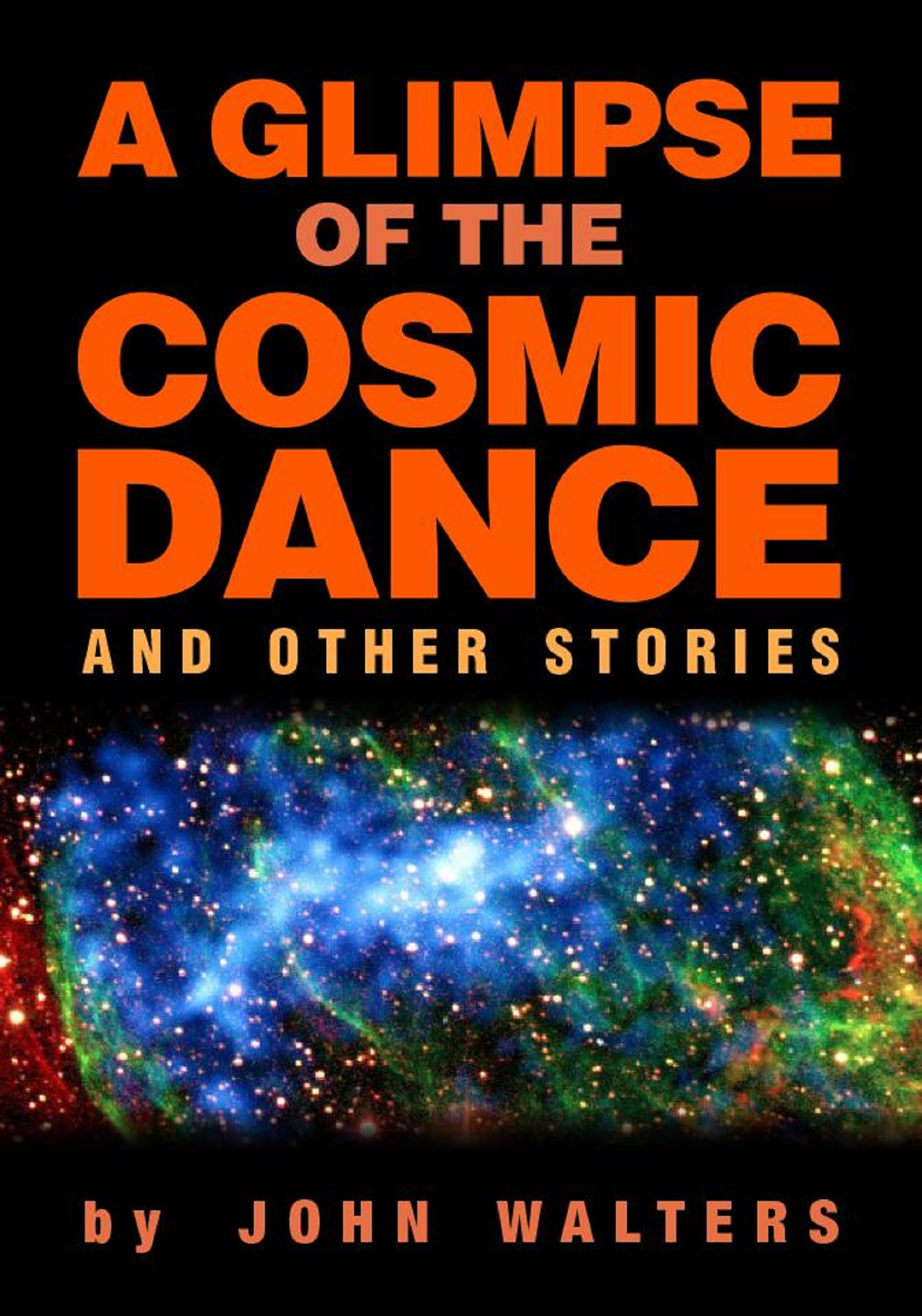
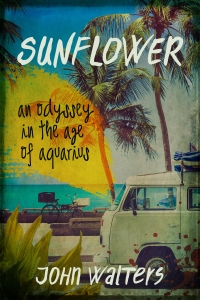
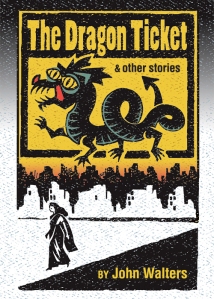
Alfred Tennyson is a world-renowned poet, of course, whose works cropped up over and over in anthologies while I was studying literature in high school. My favorite of his poems, though, “Ulysses,” I discovered much later. In it, Ulysses has returned to Ithaca, his home, after his odyssey following the Trojan War, but has become jaded with domestic life and is preparing to set forth on another voyage. He does not desire to “rest from travel” but rather “drink life to the lees.” He plans to leave his scepter to his son Telemachus and venture once again into the unknown “to strive, to seek, to find, and not to yield.” The poem impressed me so much that I wrote a short story based on it. “The Last Voyage of Ulysses,” which appears in the collection A Glimpse of the Cosmic Dance and Other Stories. It tells of two messengers from the gods visiting the pensive Ulysses as he prepares to depart; one advises him to leave and the other tells him to remain in Ithaca, and both admonitions are backed up by supernatural visions.
I didn’t pick up this book, though, because I have a particular passion for Tennyson’s poetry. What intrigued me were his struggles as a writer and his fascination with the explosion of new discoveries in astronomy, geology, paleontology, and other fields. Tennyson, along with numerous contemporaries, was able to finance his day-to-day life and his travels by means of pensions and inheritances, which meant that he didn’t have to work; he could spend his time brooding and writing poetry. It made me wonder how many writers remained unknown in the era because they didn’t have this advantage. To Tennyson’s credit, he did not waste his time in idleness but rather spent it writing one poem after another. Not long ago I wrote an essay about the difference between an author and a writer. An author is someone who wrote something in the past, while a writer is someone who is obsessed with the art of writing and can’t stop. That’s what Tennyson was like. No matter where he went and what else he was doing, he wrote his poems. Eventually he became popular enough to be appointed the Poet Laureate of England. Along the way, he studied the scientific works being published by Charles Darwin, William Herschel, and numerous others and incorporated these amazing new discoveries into his poetry.
It seems as if in the absence of radio and television, poets and novelists were the pop stars of the era. Tennyson’s volumes of poetry, in his later life, were invariably bestsellers and made him wealthy and famous. How times change! What I appreciated more than anything, though, as I read this book, after I managed to tune into Holmes’s cadence, was the immersion into the literary and scientific world of nineteenth century England. It was a lot of fun: like exploring an alternate universe so different from the hectic, mind-blasting, present era of ubiquitous overwhelming input.