Book Review: The Writer’s Library: The Authors You Love on the Books That Changed Their Lives by Nancy Pearl and Jeff Schwager

From the descriptive material announcing this book, I thought it would be different than it is. I imagined each author elaborating on one book that changed their life. I supposed I would read in-depth evaluations of particular books that would help me determine whether I was interested in reading them. Instead, the authors interview writers on their general reading habits and a range of books that appealed to them at various stages of maturation. Some germinal books are mentioned only in single sentences or long lists in passing. It took me awhile to adjust from my expectations to the book’s format. When I did, I realized that The Writer’s Library is as much about the background, literary aspirations, and writing habits of the interviewed authors as it is about books that influenced them. With that insight, I abandoned my expectations and enjoyed this book as a series of light author interviews on a variety of subjects.

The subtitle is also somewhat disconcerting. The interviews promise to be with Authors You Love, but in fact I have never heard of some of the authors and have read works by only a few. I have read A Visit from the Goon Squad by Jennifer Egan, Future Home of the Living God by Louise Erdrich, and volume two of Charles Johnson’s writing memoirs. That’s about it. I recognized some of the other names but have not gotten around to reading their works. That’s all right. You don’t need to have read these writers to benefit from the interviews. Short introductions at the beginning of each chapter provide some background of the various authors.

Although a few of the interviewed authors express their opposition to the partitioning of fiction into genre and literary works, others obviously express prejudice against so-called genre fiction. The editors who compiled the interviews in this book too seem to have ignored the influential writers of popular fiction. It would have been great to read interviews with Samuel Delaney, Stephen King, Greg Bear, Neil Gaiman, Ted Chiang, and Nalo Hopkinson, the latest author to have been named Grand Master by the Science Fiction Writers of America. Still, no one book can be all-inclusive; even a series would be unable to encompass all the authors that I would be fascinated to hear from. Despite its limitations, this book is light, easy, and fun to read. It is much less ponderous and ostentatious than the volume of interviews from The Paris Review I once read. That was a long time ago, but as I remember, that book was not easy to get through. Of course, part of its difficulty could have had to do with what I was experiencing emotionally at the time.

All in all, I recommend this book as a lightweight read if you enjoy learning about what literary influences have been important to a range of writers. One of its strengths is the diversity of the interviewees. There is a fairly even mix of women and men and also of authors from all sorts of ethnic backgrounds.

Posted in Book Reviews | Tagged , , | Leave a comment

Book Review: The Name of the Rose by Umberto Eco

The Name of the Rose is a long, complex novel that is not easy to get into. At least it wasn’t for me. First of all, it sat on my shelf for years after I bought it at a library sale. When I finally got around to reading it, I managed around forty pages before I was hit with a description of a church door that went on for four or five or six pages. I couldn’t get past all the miniscule details and put the book aside for something more accessible. Fast forward to the pandemic, and with the library closed and my being unable to afford to buy books, I have been scouring my shelves for reading material. This time I struggled past the intricacies of the church door and kept going.

The book is set in a monastery in the fourteenth century. A Franciscan monk named Brother William and his assistant Adso, a Benedictine novice and the book’s narrator, arrive to await a delegation from Pope John XXII. In the meantime, a monk has just died or been killed, and the abbot asks Brother William to investigate.

William is a sort of monk-robed version of Sherlock Holmes: brilliant, scholarly, and able to capitalize on the most obscure clues and references. The next day another monk is murdered, and in the following day another. William and Adso begin to uncover a convoluted plot centered in the monastery’s vast library, which lies within an intricate labyrinth on the top floor of a tower.

Eco’s references of labyrinths and the contents of obscure or imaginary books remind me of Jorge Luis Borges, the brilliant Argentine master of magic realism. In fact, Eco names one of the important characters in The Name of the Rose Jorge of Burgos in obvious homage to Borges. The difference is that Borges works his literary magic in succinct short stories, while Eco draws his tale out in over five hundred pages of details that, as I mentioned, are sometimes hard to intellectually power through. The first four hundred pages or so are comprised of an elaborate buildup, and it only comes together at the end as William puts all the disparate pieces of information he has accumulated together and solves the mystery. Reading the first four hundred pages or so can be frustrating and confusing. The overwhelming volume of intricate details that Eco introduces can be as dense at times as the thick fog that covers the monastery and its dark deeds.

The Name of the Rose is primarily an elaborate intellectual puzzle. As I was reading parts of it, I could imagine Eco gleefully writing away with tongue in cheek. The characters are so bound in their rituals, superstitions, doctrines, and loyalties to competing religious authorities that though they appear to be conversing with utmost sincerity, their utterances come off as laughably absurd. It’s impossible, for me at least, to know whether Eco based his tale on historical facts, or whether he made it all up as an elaborate fantasy, much as Borges in his stories invents books and authors and then presents them as undisputed authorities. Ultimately, except to a few die-hard scholars, it doesn’t matter. Whether historically based or not, the novel is in fact a fantasy in which a monastery, where the spirit of God is supposed to reside, instead becomes a cesspool of hellish intrigue.

Would I recommend the book? Sure, why not? As I said, if you can manage to power through it, there is a great payoff at the end. Keep in mind, though, that you’ll have to go through some intellectual heavy lifting to get there.

Posted in Book Reviews | Tagged , , , | 4 Comments

What My Blog Means to Me

Recently someone close to me suggested that I should revamp my website/blog. It was too cluttered, they said. It needed to be streamlined, more professional in appearance, and more intense in focus. I thought long and hard about the suggestions this person made; I pondered the ideas as I took walks around the neighborhood. We had online discussions in which he would explain his vision and I would counter with explanations about why I had initiated my blog and what I wanted to do with it.

Ultimately we came to the conclusion that we were advocating two different types of websites. His was a commercial vision; he wanted the website to draw readers and help to sell books. Mine was a literary vision; I saw the blog as an autobiography or encyclopedia that explained and cataloged my work. The streamlined look was good for commercial purposes, but I was not enthusiastic about it if it meant burying all the information and work I had already put into my blog, which now amounts to hundreds of thousands of words and many pages of material. We decided to separate the two visions: to leave my blog more or less the way it is (although perhaps with some tweaks to its appearance) and also create a new website that highlights my books (hopefully coming soon).

So what does my blog mean to me, and why do I not want to substantially change it? As I mentioned above, I see it as an autobiography or personal encyclopedia that highlights much of my literary life. It’s not a billboard that you glimpse for a few seconds as you drive by. It’s more like a huge mansion with many rooms, and each of the rooms is full of wondrous things for you to explore and enjoy.

For instance, there is a comprehensive bibliography of my works. This includes lists and details about all of my stories and articles that have appeared in magazines and anthologies, and all the books and stories I have self-published. There are pages with lists of my books and stories available for sale that include covers, descriptions of each one, and links to the websites that sell these items. There is a contact page with an email address you can use to write me and a link to my Patreon site.

Besides all these features, there are the blog articles themselves. These include memoirs of my travels around the world, essays on writing, book reviews, lists of my favorite films and short stories, compilations of year-end statistics of my publications, announcements, contemplations on the state of the world, reflections on parenting, and other writings on a variety of subjects. You can access these articles by category via a menu on the bottom of the home page.

As you can see, my blog is a place where you can stop in for a quick visit, read the latest post, and find links to my books. Alternatively, it is also a place you can enter and explore, with all sorts of fascinating corridors and chambers and hidden secrets. I’ve been working on it for ten years now, and during that time I have posted an article a week for all but a few weeks. Welcome! Have a look around. You’re bound to find something you like.

(If you want to help support my literary endeavors, buy a few of my books.)

Posted in On Writing | Tagged , , | 1 Comment

The Senescent Nomad Seeks a Home

My new novel The Senescent Nomad Seeks a Home was published on December 25, 2020 (Merry Christmas) and is now available in both paperback and digital formats at the links below. It is a sequel to my novel The Senescent Nomad Hits the Road. You don’t necessarily need to read that one first, although it provides background to the present tale. Enjoy!

When the woman he has been traveling with returns to Europe, the heartbroken senescent nomad becomes disenchanted with his lifestyle on the road and decides to find a home. His search takes him up the West Coast from San Diego to Puget Sound. Along the way he encounters sophisticated transients at a makeshift homeless encampment, sinister campers in the wilderness, seductive members of a wandering sex cult, and idiosyncratic individuals at a gathering of science fiction and fantasy writers. As he travels, he discovers that abandoning the nomadic lifestyle is far more difficult than initiating it. Faced with the uncertainty, confusion, and perils of the open road, he wonders if he will manage to gain the stability of a place he can call his own.

To obtain a copy, just click on the links.

In print here.

At Kindle here.

At Barnes and Noble here.

At Kobo here.

At Apple iBooks here.

Posted in Uncategorized | Tagged , , , | Leave a comment

What a Long Strange Year It’s Been

I had an internal debate about whether to write this essay because compared to other years nothing happened. That’s not exactly true, of course, but what happened was mainly restricted to the confines of our apartment, and my interactions were with very few people. My sons and I went on no road trips this year. The science fiction convention that my youngest son and I attend annually was cancelled. All the summer gatherings of writers that I usually go to were cancelled as well. Once COVID-19 reared its ugly head, my life was confined to my home and the few square blocks around it. A strange year indeed.

The world has been in turmoil, our nation has been in turmoil, and the economy has been in turmoil. For the most part, I have coped by sitting at my desk and working almost all the time, seven days a week, about ten or more hours a day. I counted myself fortunate to have work to do. So many people lost their jobs. I was able to struggle on because when the pandemic struck I was already a freelancer working from home, already working hard to barely manage to pay the bills each month. The disastrous tsunami of unemployment that swept the world didn’t really affect me – although lately my income has dropped a bit because an educational website I usually write for has fewer assignments available to claim. When COVID first struck and kids were having school at home, at first there was a flood of work at this site as children and their parents sought help and answers. Now, though, I think that people have wearied of homeschooling and have slacked off at it. As a result, the activity at this site has slowed way down.

I don’t keep track of the pseudonymous articles that I write solely for the money (and shit wages at that) but I would guess that this year it would come out to about two hundred to three hundred thousand words. Of far more interest is my creative work. This past year I have written two novels, nine short stories and novelettes, and about fifty blog posts, most of which have been reviews of books I have read. Of these words I have a more precise count. My creative work, which I do mainly in the evenings between nine and eleven when everything else is done, came out to 158,897 words. My best word count was in August, when I was deeply into writing a science fiction novel. That month I managed 16,919 words. The month with my lowest word count, 6,919 words, was October. That’s when I was proofreading a novel that I wrote earlier in the year. That novel was published on Christmas Day 2020. More on that in next week’s blog post.

I don’t know how other writers do it, but as for me, I feel depressed if I don’t write steadily. I’m not talking about those crappy articles I do for money (although if truth be told I put my best work into those too – there’s just not much of substance in them) – I’m talking about my creative work, my art. I have to do it or I feel unfulfilled, so I set a daily word count for myself of a minimum of five hundred words. I usually reach this quota about six days a week, although I set the quota aside if I am busy proofreading already finished work. If I don’t have an idea ready to go, I somehow come up with one, even if it takes a day or two of squeezing and pummeling my brain. Once I get rolling on a story or novel, even if I am unsure of its direction, I can usually keep going and make it up as I go along.

So that’s been my year: producing words, both commercial and artistic, while I watch the world burn. It looks like the clouds are parting and we’re going to have some healing ahead, but it’s going to be a slow, arduous process that will require a lot of patience. As I wrote previously in “A Christmas Lament,” dry your tears, bind your wounds, and anticipate the better days to come with relief, forgiveness, hope, and good will.

Posted in On Writing | Tagged , , , , | Leave a comment

A Christmas Lament

Sorry this one is a bit negative, folks, but sometimes I have to say what must be said.

I’m writing this a few days before Christmas Eve. I live with my eighteen-year old son in a small two-bedroom apartment. Another son had been staying with us for awhile, bunking in the living room, but he moved out a few weeks ago. Now it’s just the two of us.

We put up our Christmas tree and other decorations at the beginning of December, which is a little earlier than usual. We wanted to feel some holiday cheer, and it does cheer the place up, at least a bit. We’ve been watching some of our favorite Christmas movies, as well as Christmas episodes of TV shows such as Family Guy, American Dad, and South Park.

Yes, we’re trying to get into the holiday mood, but for me at least there is a bittersweet feeling to it all. There are only a pitiful few presents under the tree because we won’t be able to have any visitors this year. It will be just the two of us. The large gatherings of relatives, many of whom live nearby, are of course cancelled. There are some lovely displays of lights around the neighborhood, and it lifts my spirit to see them, and yet…

I can’t help but be honest and say it: there’s something wrong with Christmas this year. It doesn’t resonate as it usually does. Too many people are dying from a horrible plague. Too many people face eviction, homelessness, and starvation while the government in D.C. wastes time infighting instead of caring for the people they have pledged to serve. We can’t even take our minds off it all by going out and shopping for presents and having a restaurant meal. It’s too dangerous.

I’ve lived through difficult times before. I almost got drafted and sent off to Vietnam, for God’s sake. History saved me from that one by bringing the war and the draft to an end with about a week to spare. That was traumatic to be sure. It was also traumatic when my passport was stolen and I ran out of money while traveling in the Middle East. I had to beg on the streets in Tehran for two weeks before I raised enough money for a new passport and an exit visa. However, that was in the nature of a grand adventure. It was exciting as well as frightening.

This, though… What’s happening in the world today is unprecedented. I realize there have been plagues before – but the plague combined with the instability and uncertainty… It all makes for a perfect storm of discouragement, depression, confusion, uprooted lives, suspicions, death, and despair. How can something as lightweight as the Christmas message in these films and TV shows possibly alleviate any of the dark clouds that surround us all?

The origin of the expression “May you live in interesting times” is unknown, but it is supposed to be a curse. If that’s true, then we are all cursed, because the times we live in are certainly interesting, to say the least. There may be no solution to the melancholy we feel this Christmas season except empathy and shared sorrow.

Besides the books I read and the films I watch, I find solace in my creative work, my writing. I work almost all the time, in fact. It’s better than sitting around and brooding, and besides, we desperately need the money. My son is taking college classes fulltime and that keeps him busy. So it goes.

Someday we’re going to look back on these dark days and breathe a sigh of relief that they are all over. In the meantime, we have to keep up our spirits the best we can. Hang in there, everyone. Do your work, read a book, watch a film, take a walk, visit your loved ones online. You’re not the only one who is going through it – everyone is, all around the world. We’ll get through this. Chin up; dry those tears. There are better days ahead.

Posted in Uncategorized | Tagged , , , | 3 Comments

Book Review: Chaplin: His Life and Art by David Robinson; Part 2: One Masterpiece After Another

When I wrote the first part of this review, I was about halfway through the text; I closed Part 1 with the creation of Chaplin’s first undeniable film masterpiece: The Kid. He would go on to make several more movies which also deserve to be called masterpieces, including The Gold Rush, City Lights, The Great Dictator, and my favorite: Modern Times. Robinson’s book goes into detail about how Chaplin made each of these films. He spent years on them as writer, director, composer, and star, shooting take after take until he got them right. He was a perfectionist, but he was able to get away with it because he owned his own studio. He could be sometimes encouraging and sometimes extremely harsh on his costars and technicians, but his attention to detail shows through in the final iterations of these magnificent films.

What made it even more difficult for him to work was his messed up personal life during much of his most creative years. Part of it was his own fault. When he was making a film, he would become so absorbed in the act of creation that he would neglect his loved ones. He also got into several unsuccessful marriages with very young and very incompatible women. His fourth marriage, though, proved to be a success. Although the age difference between Chaplin and Oona O’Neill, daughter of the playwright Eugene O’Neill, was thirty-six years (Chaplin was fifty-four and Oona was eighteen when they married) they fell deeply in love, were inseparable until Chaplin’s death, and had eight children together.

After the film Limelight was completed and Chaplin and his family had set off for London for the premier, the U.S. State Department revoked his reentry visa and he was unable to return. He and Oona and their children settled in Switzerland, where he was to live for the rest of his life and die on Christmas Day 1977 at the age of eighty-eight.

Before his death, the Academy of Motion Picture Arts and Sciences invited him to come to Los Angeles to receive a special honorary Oscar. When he made the trip, it was his first visit back to the States in twenty years. Upon receiving the award, the audience gave him a twelve minute standing ovation, the longest in the history of the academy.

After I finished this book, I re-watched Richard Attenborough’s film biography Chaplin starring Robert Downey Jr. It got mixed reviews when it came out, but for a long time it has been one of my all-time favorite movies. Robert Downey Jr. is perfect for the part. When I say that I am not in any way exaggerating. It’s one of those rare occasions when the actor and the part he is playing mesh seamlessly. He dives so deeply into the role that you forget that it’s just a part an actor is playing. He becomes Chaplin.

One of the things for which Attenborough is criticized is taking artistic license with the material – in other words, shading the facts a bit for dramatic effect. He does this, yes, but only in minor ways. I think that the overall quality of the film eclipses any small factual lapses.

One thing that is fairly unique about Chaplin is that his fame rests on the creation of only one character: The Tramp. Instead of taking on diverse roles, once he formulated The Tramp he used the basic persona in a variety of situations, but The Tramp himself remained basically the same. The Tramp is one of the most beloved characters in cinematic history, and Chaplin was able to capitalize on his appeal to bring laughter and heartfelt sentiment to millions of people around the world. It’s possible that there has never been as popular an actor as Chaplin was in his heyday. He was truly unique, and this book is a great help in understanding the life and art of this cinematic legend.

Posted in Book Reviews | Tagged , , , , , , , , | 1 Comment

Book Review: Chaplin: His Life and Art by David Robinson; Part 1: The Early Years

One of my favorite films of all time is Richard Attenborough’s Chaplin starring Robert Downey, Jr. Another is Modern Times by Charlie Chaplin. We’ll get to Modern Times in another review, because I haven’t got to the part of the book that discusses it yet, but first I’ll talk about the biographical film Chaplin. The credits cite two sources of material on Chaplin’s life: My Autobiography by Charles Chaplin, which I have already read and reviewed, and Chaplin: His Life and Art by David Robinson. Chaplin’s biography is a light, entertaining book told with wit and intelligence. Robinson’s book is longer and much more comprehensive. Although it is out of print, through periodic online searches I managed to find a used copy in good condition.

The sheer physical weight of the book is intimidating. I often read for awhile in bed after my nap, and if I am still feeling drowsy, the book is so heavy that it is hard to hold upright. It is worth the effort, however; it provides a comprehensive look at the life of one of the greatest of cinematic geniuses. In his Autobiography, Chaplin reminisces as if he is conversing with you face to face. Robinson takes a much more scholarly approach. He goes into detail about just about every facet of Chaplin’s life for which there is documentation.

The first part of the book concerns Chaplin’s childhood in London. He was raised primarily by his mother and ignored by his indifferent father. He and his brother Sidney often had to go it alone as their mother became more and more overcome by mental instability and spent a lot of time in institutions and asylums. Sidney and Charley got into show business early. Charlie, in fact, first made an appearance on stage as a young boy. By the time they were in their early twenties, they were touring England in comedic theater groups. Charlie eventually embarked on tours of America, which is where he was discovered and offered employment in the infant motion picture industry.

At first the studios offered Chaplin mundane contracts, and he performed to the dictates of other directors. However, as his talent and popularity became more apparent, he was able to demand exponentially higher salaries and more control over his creative material. By the time he was in his mid-twenties, he was an international celebrity and the best-paid entertainer in the world.

From the beginning, Chaplin was no mere clown. He cared deeply about his art. He was a perfectionist, and as a director he would shoot scenes over and over until he was satisfied with the results. His work increased in sophistication until he was able to put together complex masterpieces of comedy, drama, and pathos.

The first of his undeniable masterpieces was the feature-length film The Kid. One of my sons subscribes to a streaming service that has several of Chaplin’s films, so I was able to re-watch The Kid just before reading about Chaplin’s process in creating it. Watch it for yourself and see if you can avoid both laughing out loud and shedding heartfelt tears. The tramp character that Chaplin made famous finds an abandoned baby in an alley. In a blanket is a note that implores the finder to take care of the baby. The tramp takes the child to his decrepit attic room and invents ingenious devices to help him feed and care for the baby. Cut to five years later. The baby is now a young boy (played by the child actor Jackie Coogan). They live together in poverty and great joy until authorities from an orphanage try to take the boy away from the tramp. There is an amazing scene in which Chaplin climbs over the rooftops to intercept the vehicle that has apprehended his child. In the happy ending, the boy is finally reunited with his mother, and she welcomes the tramp into her home as well.

The Kid marked a turning point in Chaplin’s career. After this breakthrough effort, he would write, produce, direct, and star in one amazing film after another. However, here we will end this review, in the midway point of the book. There are more great things to come.

Posted in Book Reviews | Tagged , , , , , | 1 Comment

Books Make Great Gifts

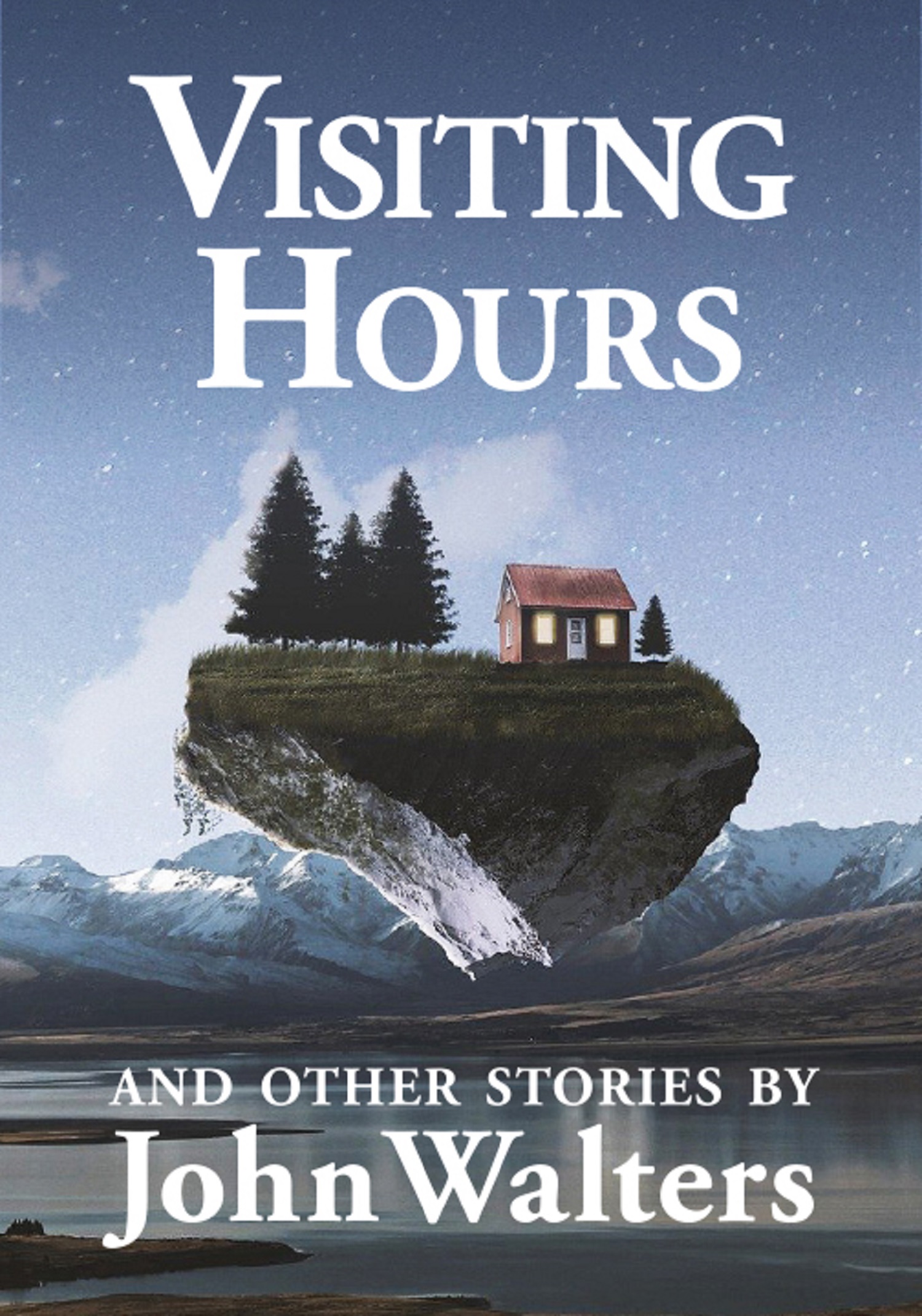
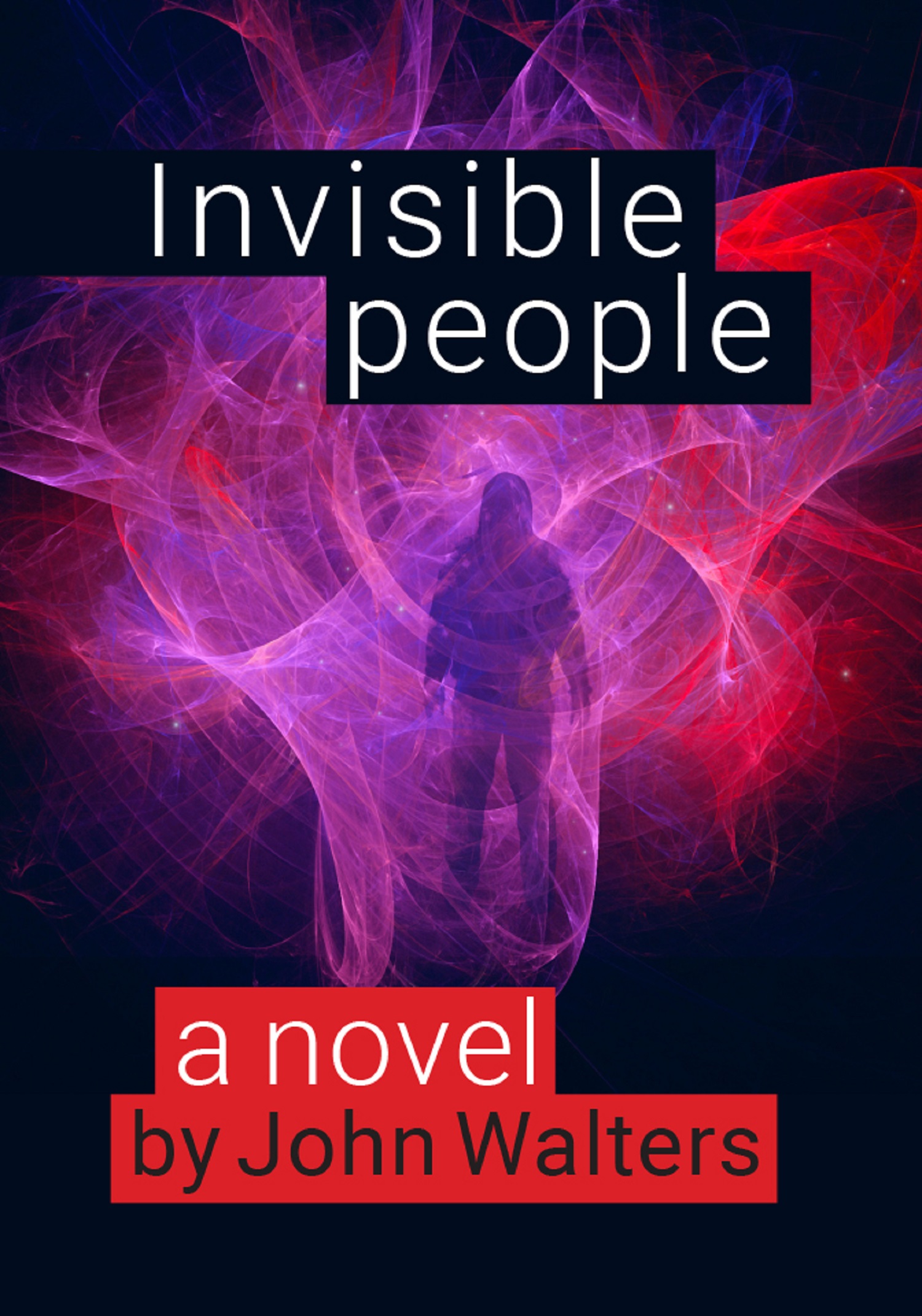
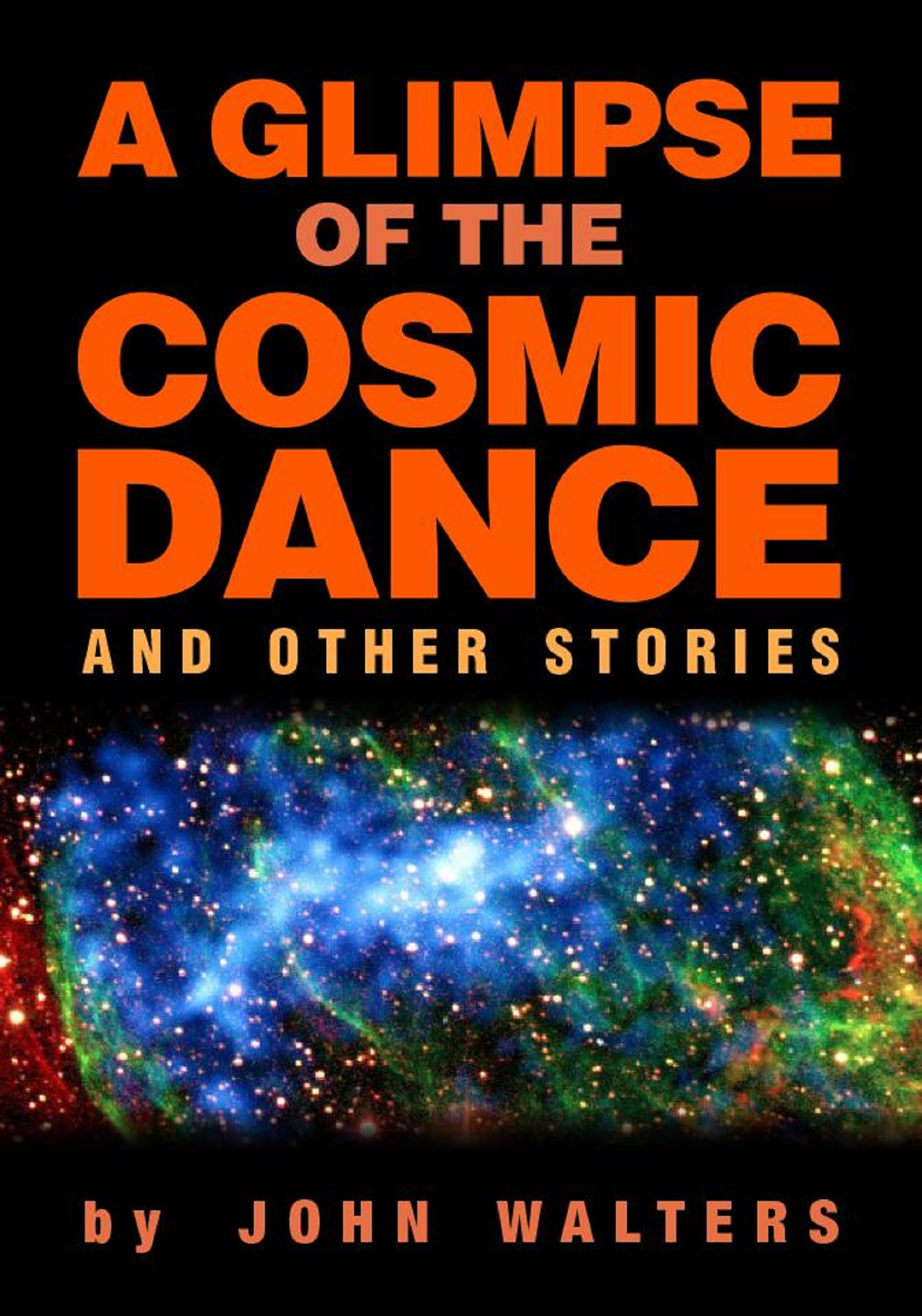
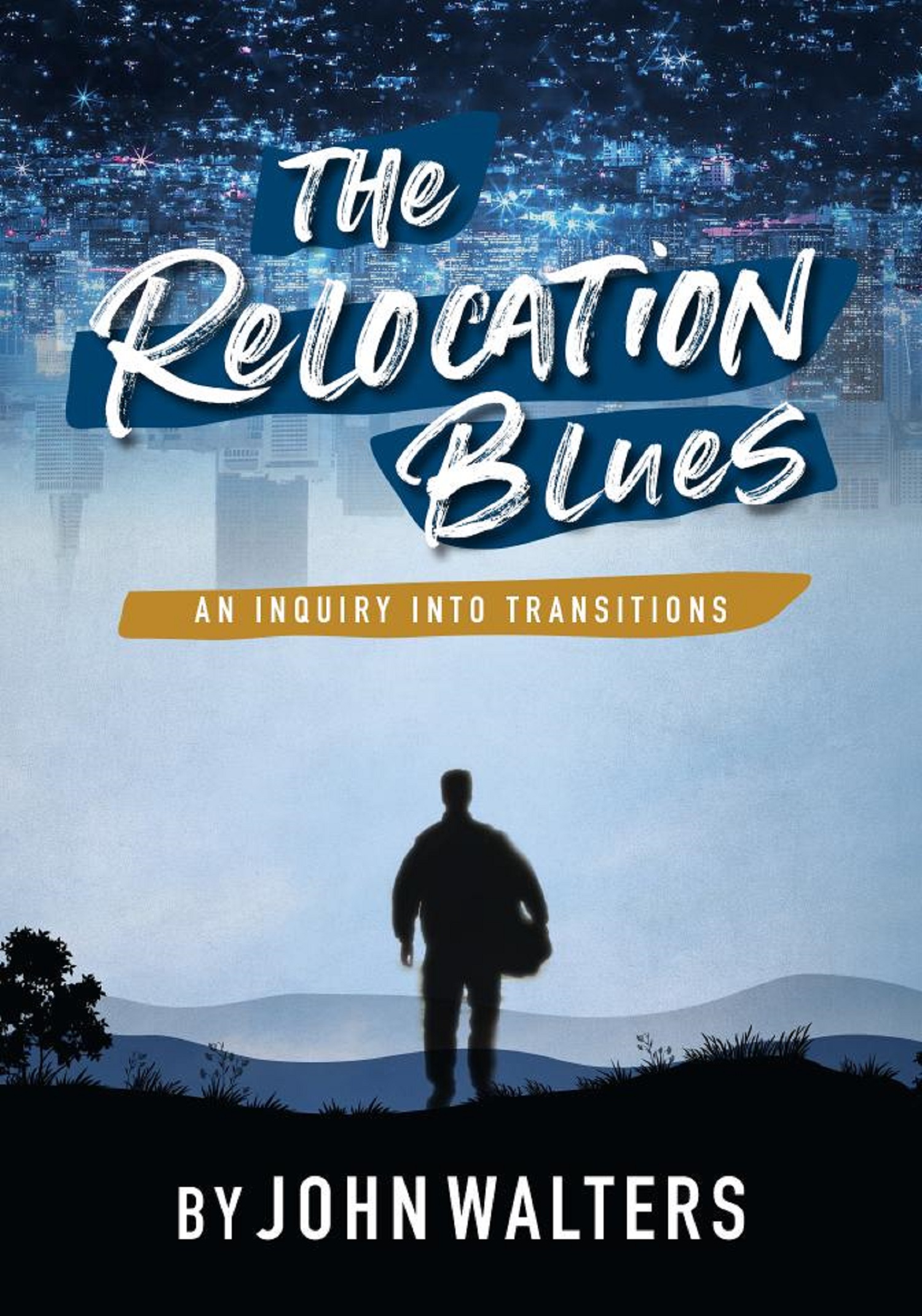
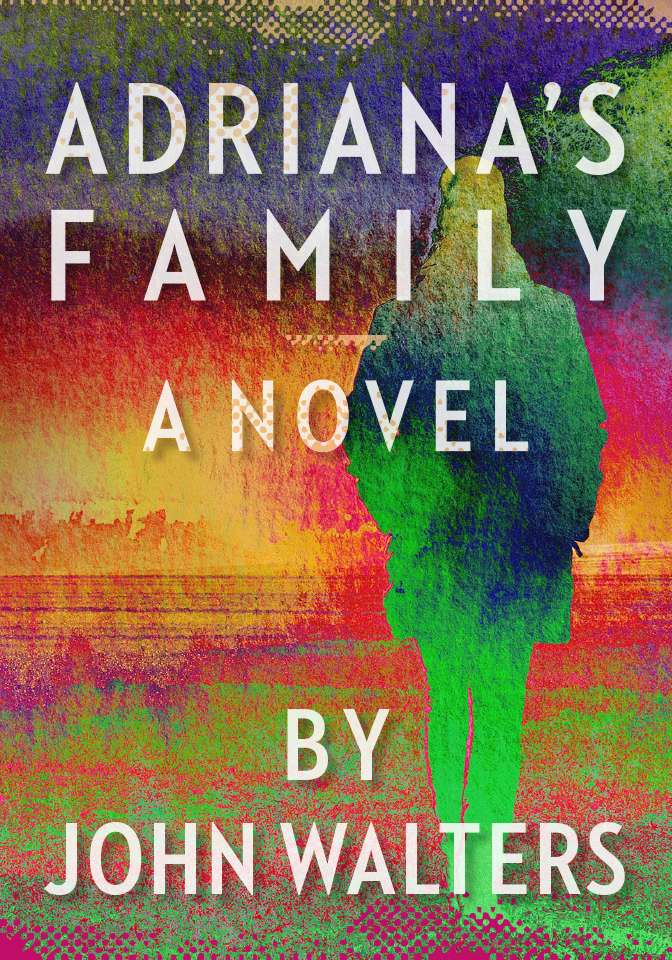
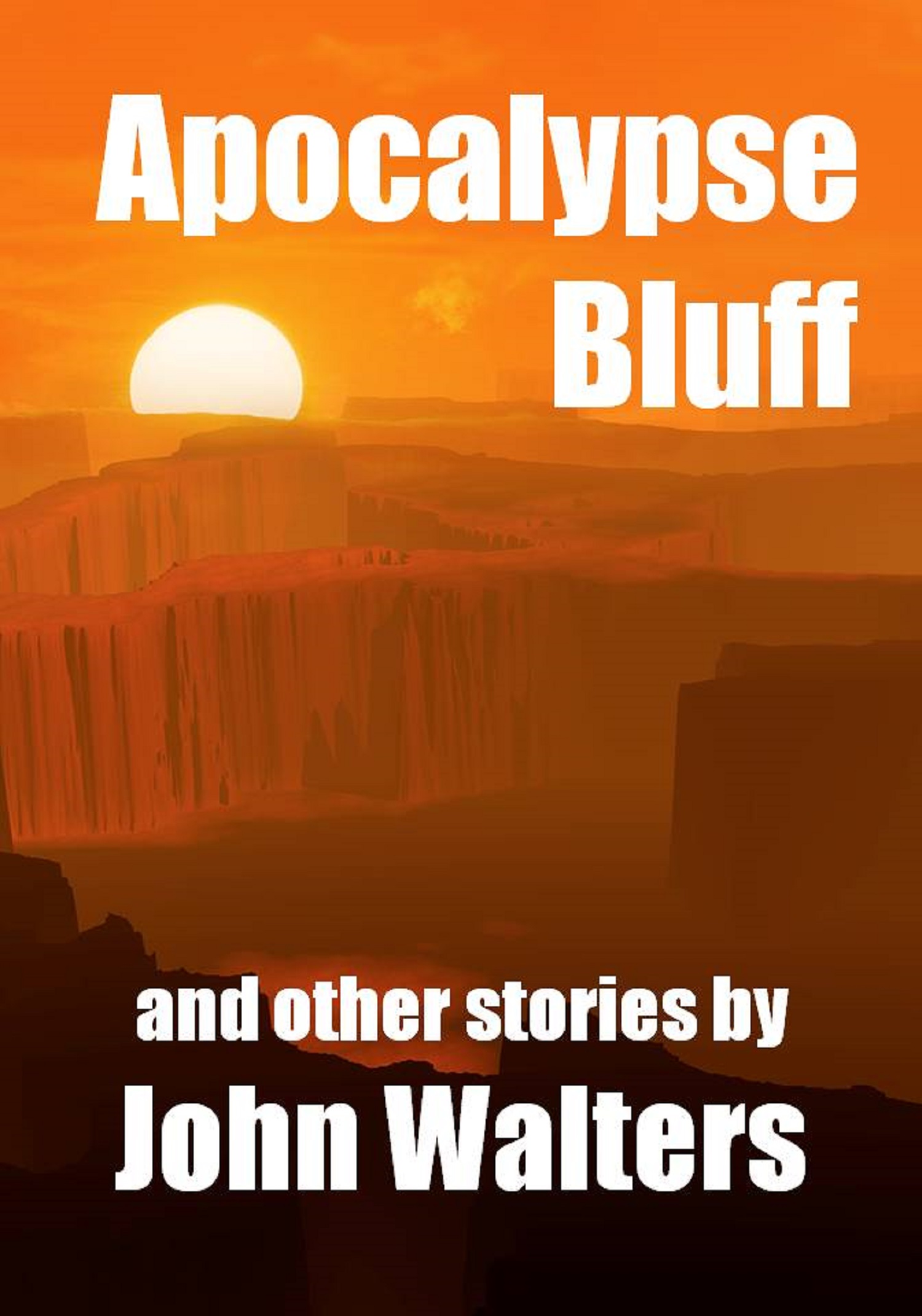
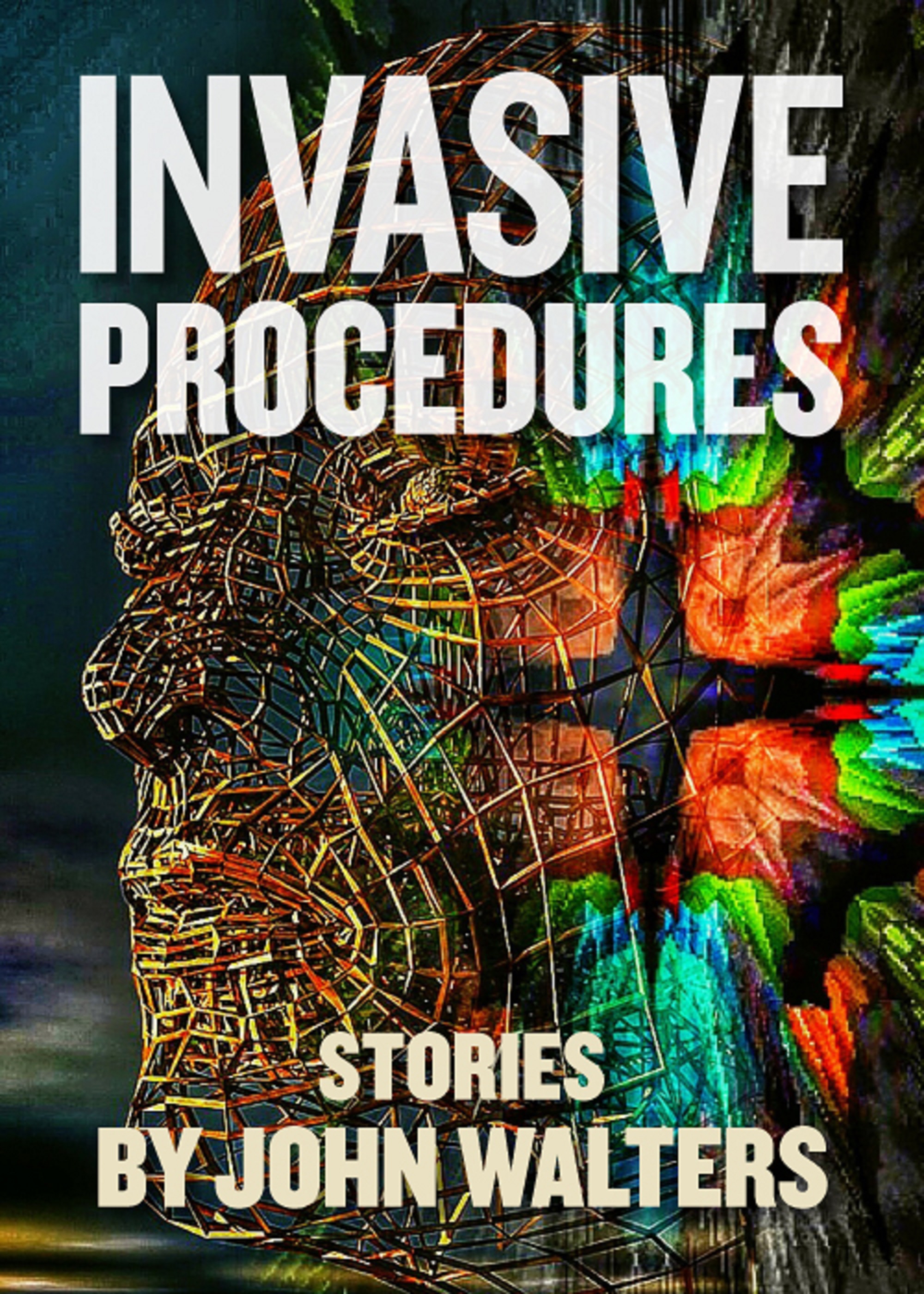
After Thanksgiving has come and gone, people commence a search for holiday gifts for family members, relatives, friends, acquaintances, in-laws, outlaws, colleagues, and sometimes total strangers. If you’re looking for fun, sophisticated, lively, intense, flamboyant, and otherwise variegated literary fare, I’ve thus far published twenty-six volumes in a range of genres through Astaria Books. Here are some examples of choice gifts you can bestow upon your loved ones. If you click on the titles, the links are to Amazon, but for lists of links to other marketplaces, head for my website’s Available Books page.

Science Fiction:

After the Fireflood: A Novel – During the Fourth World War, the entire Earth is engulfed in a torrent of fire, transforming the landscape and obliterating all life.  Using terraforming, time travel, and other expediencies, human survivors from Moonbase and the outer colonies attempt to cope with their devastating loss, reconstruct the Earth’s surface, and reorganize Earth sociologically to ensure lasting peace, while others plot to claim the pristine reconstituted planet for their own purposes.

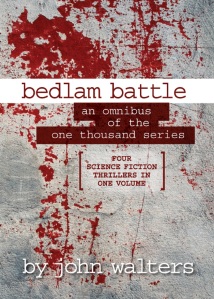
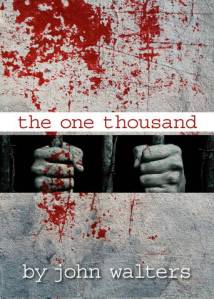
Bedlam Battle: An Omnibus of the One Thousand Series – In the late 1960s, humans and sympathetic aliens based out of Haight/Ashbury struggle to stop alien-possessed psychopaths intent on a murderous rampage. Four science fiction thrillers in one volume.

Love Children: A Novel – It is the mid-1970s.  The Summer of Love and the Woodstock Music Festival have come and gone.  Into the atmosphere of cynicism and doubt following the wild optimism of the youth revolution the Love Children, raised from birth by benevolent aliens, come home to Earth.  Sexually free, telepathic and honest to the extreme, they are appalled to find that the world they left behind is full of darkness and deceit. As they set about using their extraordinary powers to bring light and unity back to their world, they run up against a sinister alien force intending to keep it in darkness.

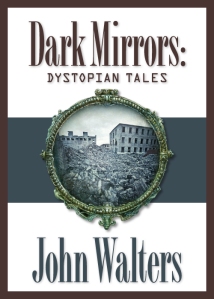
Dark Mirrors: Dystopian Tales – These tales offer terrifying glimpses of Earth’s future gone wrong. From the author’s afterword:  “When I postulate dark futures it is not to get you to despair.  When I hold up dark mirrors before your eyes it is not so that you will see the worst in yourself and do yourself in.  Far from it.  Some of our greatest illuminations come from deep dark prose.  Dark literature is not meant to overwhelm us.  It is meant to purge us, to provide catharsis.  It is a cleansing and purifying process.  We must be aware of the evil within before we can clean it out.”

Fantasy:

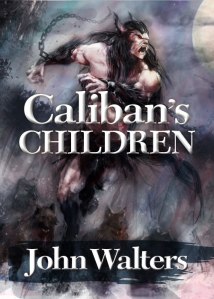
Caliban’s Children – Content is being siphoned from libraries and replaced with half-truths and lies.  Weather, time, and distances are distorting like images in a funhouse mirror.  People are discovering the ability to morph into animals.  At first it all seems idyllic and magical until a dark power begins to manifest itself, assert control, and demand obedience.

Ethan is a university student caught in the midst of a kaleidoscopic confusion he cannot understand.  After journeying into the wilderness seeking answers, he realizes he has to ally himself with the beasts of the Earth and venture into a bizarre, mutating, peril-filled city to rescue his lover and attack the source of the evil.

Fear or Be Feared: Fantasies – In these fourteen weird, surreal, frightening, and fantastic tales, unwary people discover that the world is very different from what they imagined.

Thriller:

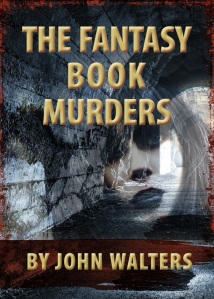
The Fantasy Book Murders – After a famous fantasy writer is murdered in his castle-like mansion, two unlikely investigators discover a pattern of similar murders suggesting a serial killer. They begin to research the killings, starting with the most recent and working backwards into the past. Danger mounts as they uncover the backgrounds of the victims and the truth begins to resemble the fantasy writer’s most bizarre and horrific fiction.

Novels of the Counterculture:

The Misadventures of Mama Kitchen – Sarah Tabitha Jones, a twenty-year-old fascinated by the youth culture of the late 1960s, leaves her middle-class home and wanders to a wilderness commune and then to the Haight/Ashbury in search of truth. On the way she encounters many strange characters: bikers, draft dodgers, Vietnam War veterans, peyote worshippers, heroin dealers, Jesus people, feminists, violent anarchists, Black Panthers, and science fiction fans. She experiments with drugs and sex, but at the same time helps out those she can; though often disillusioned, she believes that hippies should unite to create a better world. In the midst of all this she finds herself pregnant. Eight and a half months later, undaunted, belly bulging, she travels to Woodstock for one last attempt at finding the love and unity she seeks. The Misadventures of Mama Kitchen will appeal not only to those who lived through the disconcerting era of the 60s and 70s but to those younger who are curious about what took place back then. It will also resonate with anyone who is idealistic and in search of personal fulfillment, as well as those who simply enjoy a wild tale: sometimes comic, sometimes tragic, sometimes violent, sometimes sexy, always extreme.

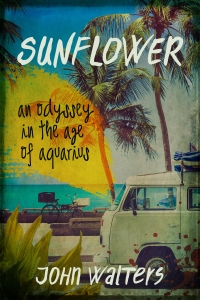
Sunflower: A Novel – In early 1970 a new era, the Age of Aquarius, is dawning. Penny, who adopted the name of Sunflower on the way to the Woodstock Music and Arts Festival, attends another rock concert touted as Woodstock West, at Altamont Speedway near San Francisco. Seeking to enhance the transcendent experience, she instead comes away covered in the blood of a man brutally stabbed to death in front of the stage. Has the new youth experience descended from idealism to anarchy? Confused and disillusioned, Sunflower embarks upon an odyssey across an America torn by violent anti-Vietnam War protests, racial tension, and gangs of hard drug dealers. From a search for a shared social experience it becomes a personal quest for fulfillment that leads her on a journey across continents.

Memoirs:

World Without Pain: The Story of a Search – In the 1970s, after the Altamont Rock Festival, the Manson Family cult murders, and the fiasco of the Vietnam War many young people, disillusioned by the hippy movement, began to leave their homelands and travel to the far places of the world.  Hoping to find drugs, sex, freedom, and excitement, they more often were confronted with destitution, despair, disease, loneliness, and culture shock. As a young writer wishing to break out of the familiar rut in which he was stagnating, Walters hit the road during this time, first to Europe, then onward to the Indian Subcontinent.  He sampled Buddhism and radical Christianity; he wandered alone in the Himalayas; he listened to strange gurus spouting stranger doctrines; he watched the people around him deteriorating and dying in the lands of the East.  As he traveled onward he became fascinated with the road itself, and determined to discover its secrets. He wondered what it was that gave the road its alluring power, and he forsook everything else to find out. His story will appeal to those who lived through the turmoil of the 60s and 70s, to those who are hungering after spiritual fulfillment, to writers and other artists in search of their voice and their inspiration, and to anyone who loves a true story of adventure and excitement in strange lands.

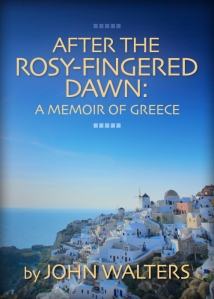
After the Rosy-Fingered Dawn: A Memoir of Greece – Greece has always been regarded as the birthplace of western civilization and a Mediterranean paradise.  In The Iliad and The Odyssey Homer uses the magical epithet rosy-fingered dawn to describe the sunrise over a land of myth, fascination, and mystery.  But when preconceptions and illusions are swept aside, what is Greece really like? John Walters has lived in Greece for over fifteen years.  He has hitchhiked over many of its roads; traveled by camper; journeyed by plane, boat, bus, car, taxi, motorcycle, and on foot.  He has lived and worked and raised a family among Greeks.  He offers insight from an intimate perspective on aspects of Greek society and culture of which tourists are unaware. Many have visited Greece and afterwards acknowledged that the country has profoundly changed them.  This memoir is for those who feel something special when they think of Greece and Greeks, those for whom Greece holds a special thrall, those who have visited and have their own memories of the place, and those who would like to visit someday and know that when they do they will obtain new insight, new clarity, and will never be the same again.
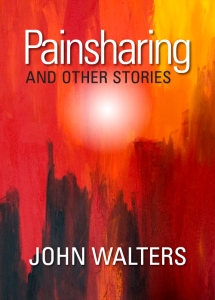
America Redux: Impressions of the United States After Thirty-Five Years Abroad – In 1976 John Walters left the United States in search of adventure and literary inspiration.  He lived for many years in India, Bangladesh, Italy, and Greece.  He married and had five sons.  Finally, faced with the economic catastrophe in Greece and the lack of opportunities for his sons, he returned to the land of his birth.  Without home, without job, without resources, he confronted his own country as if for the first time. This is a memoir of someone who, late in life, was forced to leave everything behind and start fresh in what for him had become a new land.  It will appeal to those who are confronted with major life changes in these troubled economic times; to those who, though they may desire rest and retirement, must continue toiling to make ends meet; for those who desire insight into the vast, multifaceted culture of the United States from a fresh perspective, unencumbered by familiarity.

Writing as a Metaphysical Experience – From the author’s introduction: “For me, writing is metaphysical because it is inseparable from who I am and my conception of the universe and my place in it.  My interpretation of writing goes far beyond the definitions of hobby, job, or career – it is rather in the nature of a calling.  It is something that blossomed from within me and, though invisible to instrumentation, has been as integrally a part of me as my flesh, bones, and internal organs.  How this transpired and how it manifests itself is the subject of this book. This is not a how-to book on writing, although in its course I offer many practical tips and suggestions.  It’s more like a travelogue, a story of the life’s journey on which my writing has led me.” This journey has led Walters on a decades-long quest from the United States to Europe to the Indian Subcontinent and back in the pursuit of voice, inspiration, and literary excellence.  On the way, he has written and published novels, short story collections, essay collections, memoirs, and numerous individual novellas, novelettes, short stories, and essays.

Posted in Reading | Tagged , , , , , | Leave a comment

Book Review: Moving Mars by Greg Bear

This is another classic science fiction novel that I didn’t get around to reading until the pandemic. Spoiler alert: It’s a good one. Often I synopsize the books I am reviewing, but I don’t know if I will be able to do it in this case. Moving Mars is long and complex, and I have to admit that I do not understand all the intricacies of concepts and hardware that Bear postulates. Thankfully, though, it is not necessary to grasp all of the details to be able to greatly enjoy this book.

Moving Mars starts out somewhat deceptively; my first impression was that it might be a young adult space opera. The first person viewpoint character is a woman named Casseia Majumdar. As the story begins, she is a teenager involved in civil resistance when authorities try to shut down her school. That crisis is averted, but Casseia develops the urge to participate in politics and is chosen to join a delegation from Mars to the Earth. Bear goes into fascinating details concerning the months-long flight from Mars to Earth and Casseia’s impressions of Earth, which is intent on subjugating and exploiting Mars.

As Mars begins to form a republic, Casseia becomes vice president. She finds out that an old schoolmate has been experimenting with momentous innovations in physics that would allow humans working with AIs to physically move moons and entire planets. Earth’s aggression increases when it becomes aware of this breakthrough. It attacks Mars and…

You don’t really want to tell you the ending, do you? For me this book started a bit slowly during Casseia’s teen years, but my interest picked up as I realized that Bear, in each section, adds complexity and depth until it becomes epic in its speculations on politics and science. He creates a vast futuristic solar system full of drama and intrigue, focusing mainly on the planet Mars, its inhabitants, its landscape, and its biological and political history.

This is one of the goals of good science fiction: to take readers into new worlds and maintain verisimilitude while doing it. Some science fiction writers are great with ideas and some are great wordsmiths, but Bear is both. His ideas are compelling, absorbing, deep, and meticulously thought out, and his prose is clean, clear, and sometimes poetic. Throughout the narrative, Casseia’s voice is consistent, compelling, and intelligent. The book is presented as the memoir of an elder statesperson written after the amazing events at the story’s climax. An afterward emphasizes the value of her memoir as a history of how Mars comes to be what it is.

All in all, this book is a well-told science fiction novel. It takes you on a journey to an imaginary world and gives you a tour in fascinating detail. It’s one of those books that grips you more and more tightly until by the end you wish it didn’t have to stop. Pick up a copy and find out for yourself.

Posted in Book Reviews | Tagged , , | 2 Comments