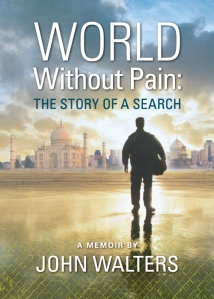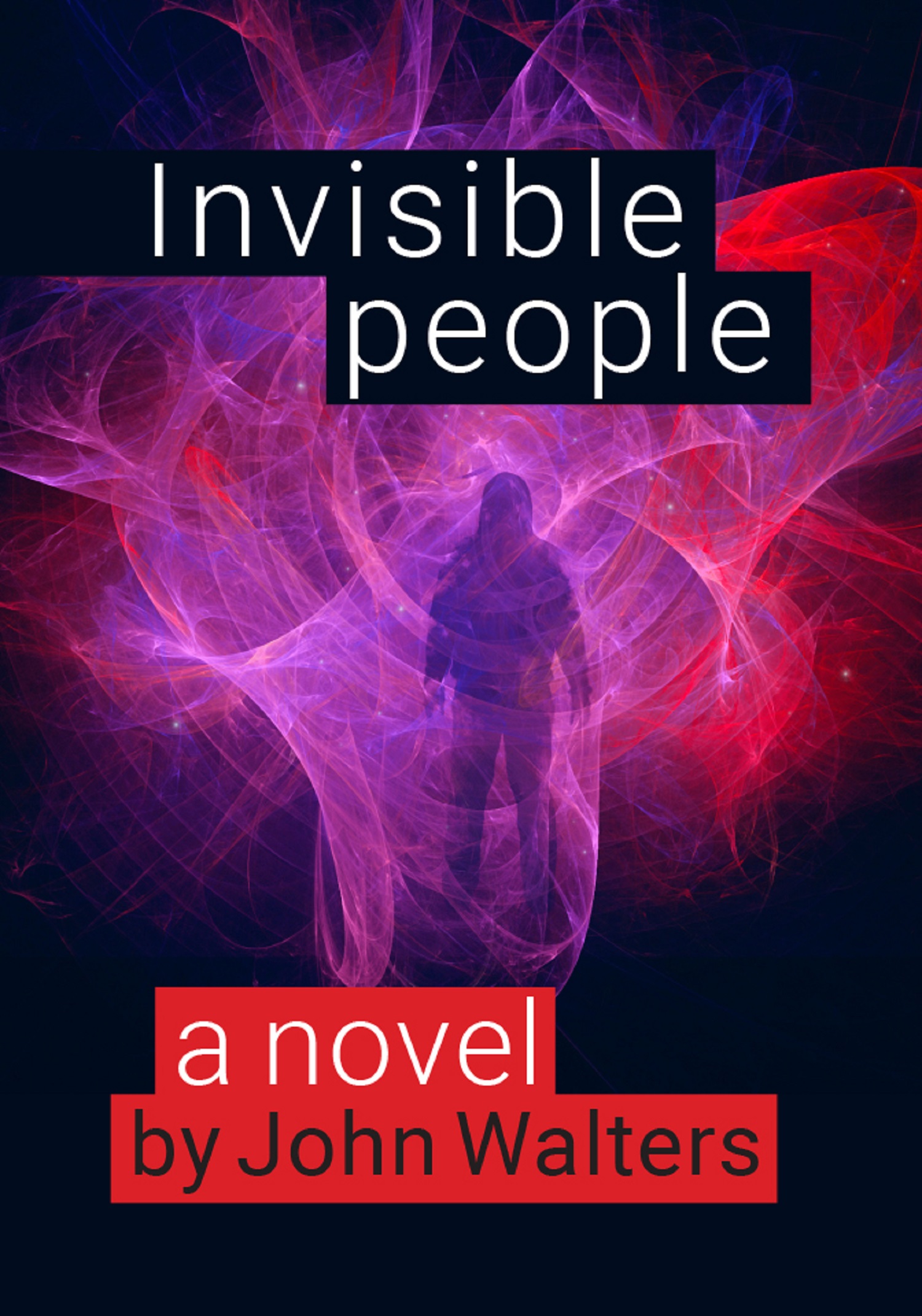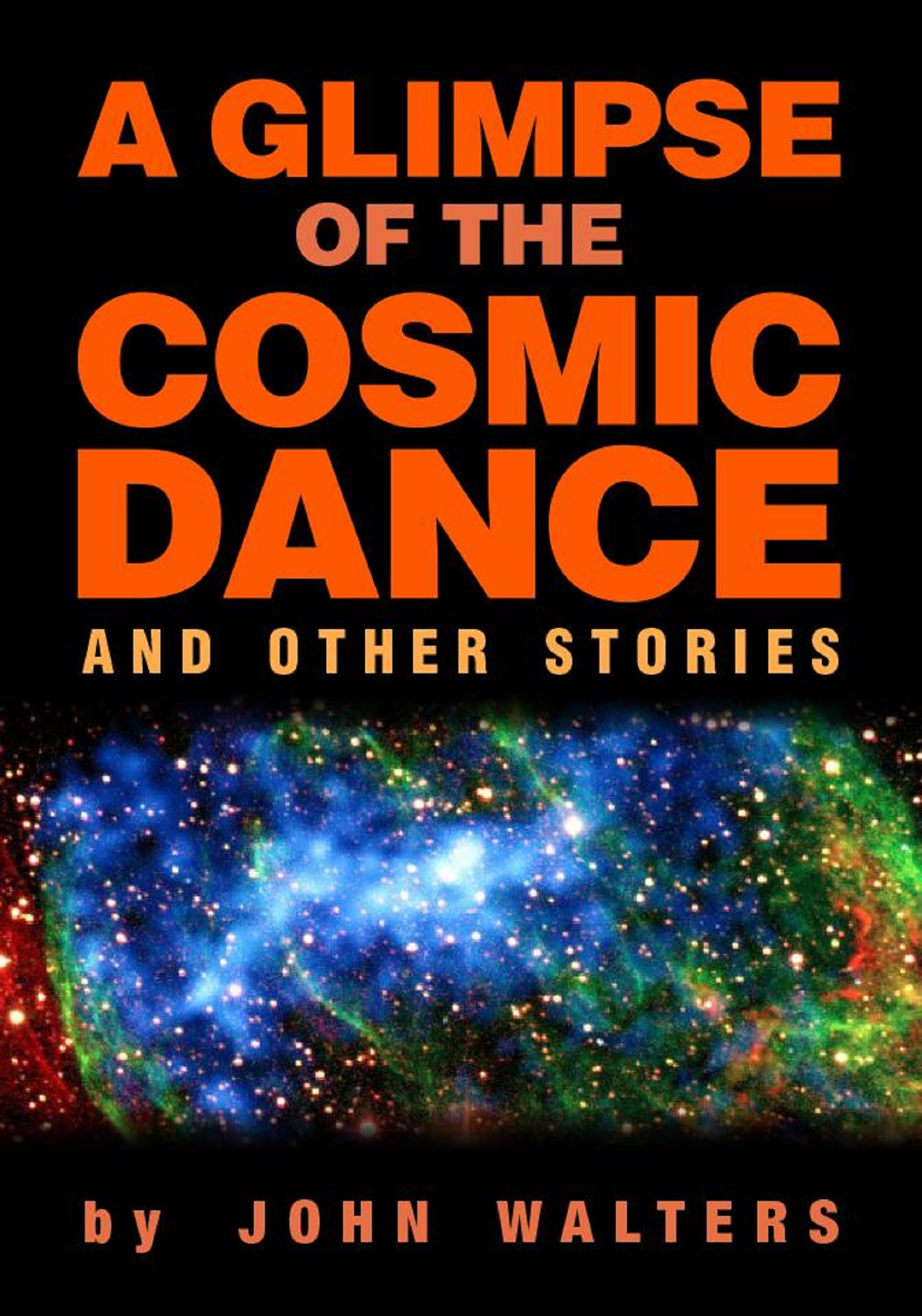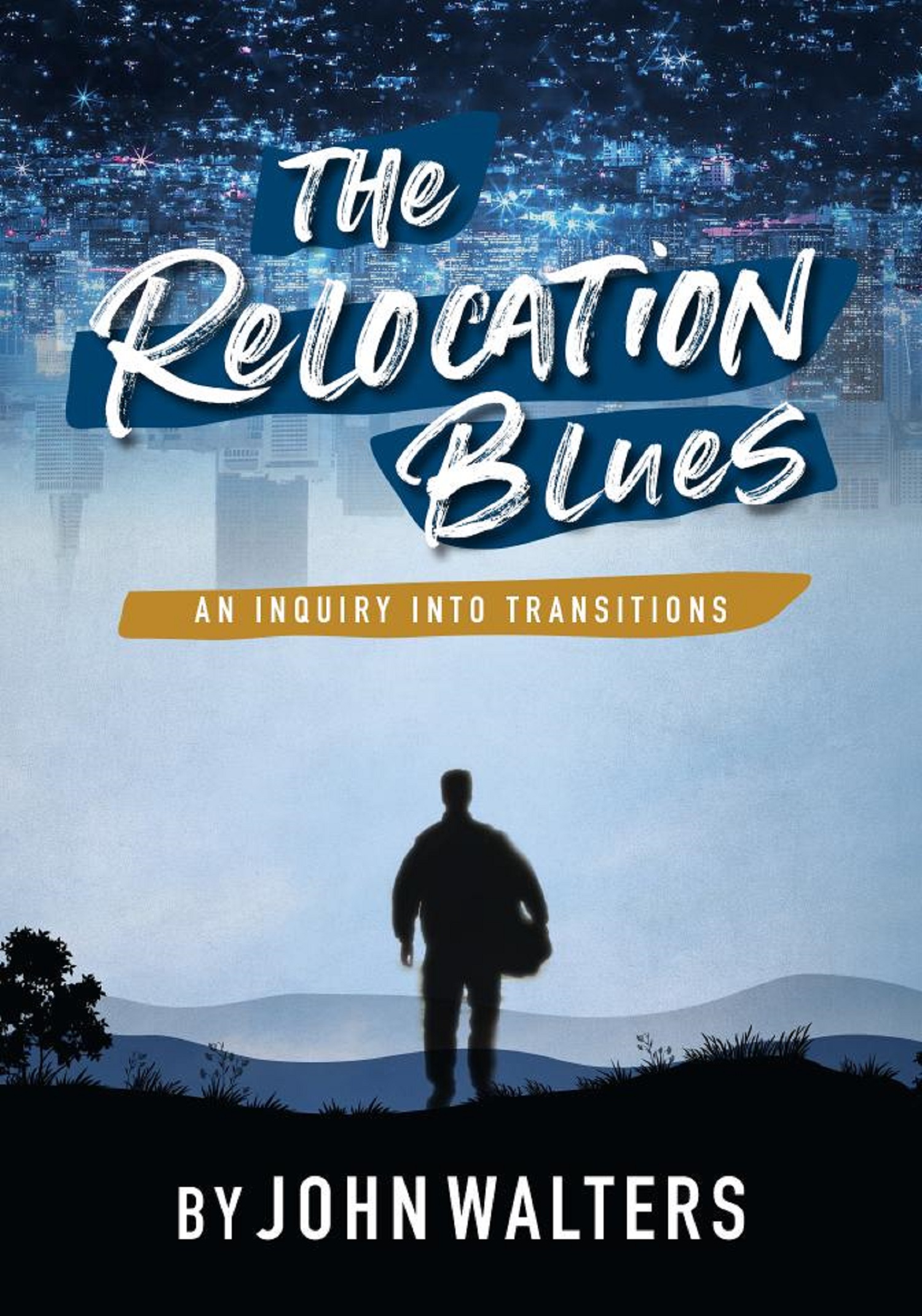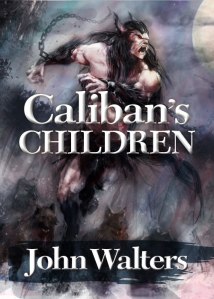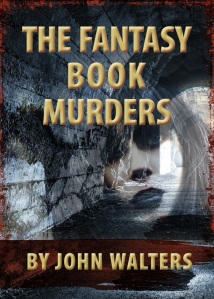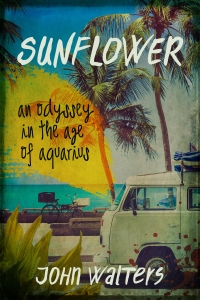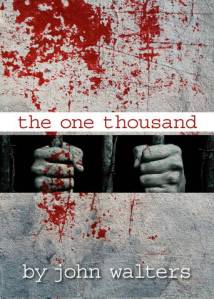
Reviews and Reflections on Books, Literature, and Writing: Volume Three Is Now Available!

My latest collection of book reviews, Reviews and Reflections on Books, Literature, and Writing: Volume Three, is now available in paperback and as an ebook at various online outlets. Links to these are below.

From the author’s introduction:

A popular topic in science fiction these days is the multiverse, the concept of an infinite number of parallel worlds. Remember, though, that the multiverse is not as far away as you suppose. Each book that you read takes you into a new universe. When you enter a bookstore or a library you are in the midst of thousands of portals to other worlds. To enter all you have to do is follow the words that the authors have set down to guide you. If they have done their jobs effectively, you find yourself in strange lands and alternate timelines with all sorts of different types of characters. The best part is that you can do it anywhere and anytime. Just open up the door, namely the cover of the book, and dive in. I compile these collections of book reviews to serve as maps leading to wondrous worlds. I wish you joy, amazement, prosperity, fun, and adventure in your explorations.

Trade Paperback

Amazon Kindle

Barnes & Noble

Smashwords

Posted in Book Reviews, Reading | Tagged , , , | Leave a comment

Book Review:  Cinema Speculation by Quentin Tarantino: Part Two

When I wrote part one of this review of Cinema Speculation, my grandson Charlie was nine and a half months old. Today is his first birthday. That’s how long it has taken me to obtain a copy of the book from the Seattle Public Library system and read the second half. It’s a popular book so I had to wait.

The second half begins with a synopsis of film history in the sixties and seventies. Specifically Tarantino explains how the anti-traditional films of the sixties and early seventies (such as Easy Rider) gave way to the seventies blockbusters (such as Star Wars and Jaws). Tarantino’s encyclopedic knowledge of film and his obvious love affair with cinema make these explanations fascinating. He brings up as examples a lot of directors and actors that I have never heard of, but that’s okay. His style of writing is as frantic and fast-paced as the movies he directs, which makes for an exceedingly entertaining ride.

Tarantino spends a major part of the second half of the book considering a trend in cinema back then that he calls Revengeamatics. This phrase describes the spate of revenge films that came out after the box office success of Death Wish with Charles Bronson. A lot of the low-budget revenge films were crude stereotypical examples of Revengeamatics, but a number of movies that ostensibly follow the formula transcend the genre. Among these are Taxi Driver, Rolling Thunder, and Hardcore, each of which has their own fairly long chapter in Tarantino’s book. According to Tarantino, a strong influence on these films is The Searchers, a John Ford western starring John Wayne as a Civil War veteran who searches for his kidnapped niece among the Comanche Indians. In both Taxi Driver and Hardcore, the protagonist is trying to rescue a young woman from unsavory characters, just as John Wayne does in the western. The quality of the writing, direction, and acting of these films cause them to transcend lesser works with similar basic plots.

One of the ultimate examples of Revengeamatics, in fact, is the Kill Bill duo by Tarantino: Kill Bill Volume 1 and Kill Bill Volume 2. In honor of finally finishing Cinema Speculations, I re-watched Kill Bill Volume 1 last night. When Tarantino attempts Revengeamatics, he pulls out all the stops.

I don’t really share Tarantino’s cravings for violence and horror in film, and I don’t always agree with his assessments of particular films or with his analysis of what films he considers great. I like his own movie creations, for the most part, not despite the fact that he tends to go over the top, but because of it. He has a singular approach to his material that is a lot of fun to watch. It’s the same with this book. He is an opinionated man, and he is straightforward in Cinema Speculations about what he likes and doesn’t like. You don’t have to agree with him to enjoy the book. Take his pontifications with a grain of salt, buckle up for the ride, and afterwards form your own opinions.

Posted in Book Reviews, Movie Reviews | Tagged , , , , , | 1 Comment

Book Review:  Cinema Speculation by Quentin Tarantino: Part One

I have recently returned from a two-week trip to Los Angeles. (This first part of the review was written in February.) However, this was not a holiday venture during which I spent my time wining and dining and touring places of interest. I went specifically to help one of my sons and his wife take care of their first child and my first grandson, a bright, exuberant, wonderful nine-and-a-half-month-old named Charlie. (Now he’s over a year.) My son has just got a new remote job, so both parents are working full time. I came to help with Charlie while my son navigates his first couple of weeks at work. I was sometimes intensely busy, but in brief moments of respite I would pull Tarantino’s book off the shelf (my son is a film buff and picked it up as soon as it was released) and read as much as I could. By the end of my visit I had managed to finish half of it; that’s why this review is broken up into two parts. I have reserved the book at the Seattle Public Library (there are many people ahead of me) and will review the second half when I get a chance.

Anyway, on to the book itself. I was immediately drawn in by Tarantino’s voice. He writes like he speaks at interviews, with lots of expletives and fervent expostulations. He traces the roots of his movie fascination and addiction from when he was a young child going to films with his mother and her boyfriends. He was exposed to sexy and violent movies long before he was really able to understand what was going on, but during these years he began to form visceral opinions about the nature of cinema and how it affects audiences. As he grew up, he continued to haunt theaters in the Los Angeles area, attending double and triple features of all sorts of films. His reminiscences reminded me of how I grew up with books. I was an avid reader from as far back as I can remember. Early on it was stories about heroic dogs and horses, then fantasy and science fiction, then Jack London’s adventure stories, then fictional memoirs such as those by Jack Kerouac and Henry Miller. To progress from reading to writing was a natural step. In like manner it was a natural step for Tarantino to progress from fascination with movies to creating his own.

After a section on how he grew up with movies, Tarantino moves on to essays about specific films from the sixties and seventies such as Bullitt, The Getaway, The Outsiders, Deliverance, and others. It is clear from these essays that Tarantino has an intimate knowledge of the films and their actors, directors, cinematographers, and the other personnel that brought these films to life. He is able to trace their lineages from idea to execution and reveal fascinating tidbits about studio politics, celebrity motivations, and creative considerations along the way.

No one but Tarantino could have written this book. If you appreciate his movies, you will have a great time reading his thoughts about cinema. I don’t agree with all of his conclusions, just as there are some scenes in his films that I think are ill-conceived. I watch them nevertheless because overall they are extremely well crafted and wildly entertaining. I am anxiously awaiting the opportunity to read the second half of Cinema Speculation.

Posted in Book Reviews, Movie Reviews | Tagged , , , | 2 Comments

Book Review:  Uncanny Valley: A Memoir by Anna Wiener

When she was in her mid-twenties, Anna Wiener left her career in New York publishing to move to San Francisco and work in the tech industry. She worked first at one startup and then another, getting a firsthand glimpse at the overwhelmingly white male entrepreneurs that were driving Silicon Valley’s digital culture. This book alternates between standard memoir passages and Wiener’s wry observations about what makes Silicon Valley tick. It could aptly have been titled Anna’s Adventures in Wonderland, because she drops into a rabbit hole as bizarre and mystifying and adrift from reality as anything Lewis Carroll ever imagined.

She soon found out that Silicon Valley was (and is) unlike any other place on Earth. It had its own language and culture, and it was predicated upon the creation of apps that were designed to lure customers away from reality and onto their screens while at the same time making the creators and CEOs of the tech companies filthy rich. The entrepreneurs Wiener worked for demanded total commitment of their employees, including long hours of work, a constant upbeat attitude, the spouting of pseudo-inspirational platitudes, and a pursuit of the long-term goals of the organization to the exclusion of everything else. At first Wiener went along with it all, somewhat enthralled by the strangeness of the lifestyle, the decent salaries, and the perks and parties. It is easy to discern, though, in the way that she describes her adventures in tech-land, that she is alternatively befuddled, confused, skeptical, and often appalled.

Back in the seventies, San Francisco was one of my favorite cities, a bastion of the counterculture and a fun and inexpensive place to be. However, once the tech industry took over, the Bay Area became a region of contrasts. The rich techies had their overpriced mansions and enormous office spaces, while the streets were crowded with the disenfranchised homeless. There was practically no middle ground. Employees of the tech companies would ride their bikes or minibuses or ride-share cars past the destitute poverty-stricken populace without really noticing them, too caught up in their pursuit of wealth to focus on and care about what was going on all around.

In Uncanny Valley, the owners and CEOs in the tech industry come across as visitors from another world entirely, unable to focus on any reality other the apps they are selling and the money they are raking in. Their employees are like acolytes in some sort of weird money-worshipping cult. In some parts of the narrative, Wiener’s mind seems to be unraveling from the strain of attempting to reconcile what she knows of the world outside of Silicon Valley and the dysfunctional culture within. There are passages of stream-of-consciousness that display the surreal nature of her surroundings better than a traditional description.

All of this makes for a heady trip indeed. From the first paragraphs, Wiener takes your hand and carries you into the rabbit hole with her. You become immersed in an alternate world that cannot exist in our reality – and yet it does. That’s the strange part. As I read this book, I could hardly believe that somewhere on our world people really live like that and have such values. And yet they still do. They are so focused on their tunnel-visioned perspective that they are blind to the emotional and spiritual truths that the rest of us see.

If you read this book, prepare for immersion in an alternate universe that to most people is an abstraction but to a select few is the only reality there is.

Posted in Book Reviews | Tagged , , , | Leave a comment

Book Review:  Cold People by Tom Rob Smith

I want to clarify at the start that Cold People is a lot of fun to read, albeit in the same way that Marvel Comics are fun. There is very little verisimilitude; you have to dial up your “willing suspension of disbelief” to the extreme. Most of what takes place is not explained in any sort of logical manner; it is simply taken for granted, the same way you read a comic and you assume the aliens and monsters are a natural part of the story because… Well, because they are there. The plot is a series of “what if?” questions taken to one extreme after another. Warning: spoilers ahead.

The story begins with an alien invasion. Gigantic spaceships suddenly appear in Earth’s atmosphere, and a warning message is broadcast over the internet, television, radio, and every other form of media in all human languages. Humans have thirty days to move off all habitable continents and resettle on Antarctica. The alien superiority is so overwhelming that resistance is impossible. A massive, chaotic exodus commences. It is a plot device, of course, to get all the survivors to Antarctica, where most of the story takes place. I kept wondering as I read, though, why the aliens would make such an unusual request. If they wanted humans out of the way, why not just kill them all? They end up murdering all but a few anyway. And if the purpose was not eradication but relocation, why not give them a more livable spot somewhere such as Australia or a half of the Americas? The cruelty of the evacuation order makes no sense. For some reason the aliens transport the greatest monuments of humanity such as the pyramids of Giza, the Forbidden City from Beijing, the Palace of Versailles, the Statue of Liberty, Notre-Dame Cathedral, and many others to a plateau in the middle of the Antarctic continent, but no explanation is given as to why they might have done this – and that makes no sense either. I couldn’t put my mind around beings that were so advanced technologically but completely lacking in compassion and mercy. As far as I am concerned, evolution is not complete unless the emotions evolve and become better as well. Humans – at least normal, well-adjusted, sane humans – do their best to tend to the other, simpler life forms on our planet. And yet these invaders, who seem to be so superior, are in fact demented, abhorrent forms of life, using their overwhelming power and intellect to torture and slaughter less advanced species. Okay, whatever. That’s the premise we’re dealing with.

Many of the humans who manage to make it to Antarctica on time die during the first winter. The others set up a few cities and make the best of their new situation. However, some of the most brilliant leaders and scientists, instead of working on improving conditions for the sad, sorry multitudes, decide to invest whatever technical resources they have left into creating a race of super beings – the Cold People – who will be impervious to the continent’s harsh, freezing weather and be able to work as sort of glorified servants for humankind. That’s strike two for the common folk, because these gigantic, armor-plated, powerful monsters (who are all fully created in makeshift labs in just twenty years and are somehow telepathic as well) have no intention of assisting ordinary people in any way. Instead, before a truce is ultimately reached, they initiate a second genocide, their emotions seemingly as atrophied as the alien conquerors that have banished everyone to this remote, forbidding land. The poor humans get it from both sides, first from evil sadistic aliens from outer space, and then from their own murderous creations.

The overriding premise of the story is that the universe is a cruel, heartless place and that with great power comes great evil. Some of the human protagonists have loving, sacrificial relationships, but love and self-sacrifice seem to count for little in such a forbidding universe. The survivors of the alien-imposed exodus and the war with the mutated Cold People are relegated to a few small cities on a single isolated peninsula, and they still face the threat of the mutant army attacking them again in the future.

As I said, despite the leaps of credibility the author asks you to take, this is a fun read. I suppose that’s all it was ever meant to be. But don’t hold your breath for a happy ending.

Posted in Book Reviews | Tagged , , , , , | Leave a comment

Book Review:  Rough Draft: A Memoir by Katy Tur

I picked this book up under the assumption that it was written by a magazine or newspaper reporter; I had never heard of Katy Tur because I don’t usually watch broadcast news. She is, in fact, a television journalist who anchors her own news program. I was quickly drawn in by her rugged, honest voice and her fascinating story. Her writing style for some reason reminded me of the voice of Claire Vaye Watkins in the novel I Love You but I’ve Chosen Darkness. Both women had (or have) dysfunctional fathers. Watkins’s father was a member of Charles Manson’s murderous cult until he got free and met her mother; Tur’s father was a hard-charging, risk-taking, award-winning, helicopter-flying newsman given to fits of rage during which he physically abused his wife and children. Eventually he blamed his violence on his testosterone, transitioned into a woman, and cut ties with his daughter.

Tur’s relationship with her father and other family members is one of the threads running through Rough Draft. However, the main storyline involves her relationship with her career. Her parents were legends in media circles, but in college Tur initially had her eyes on a career as a doctor or a lawyer. Inevitably, though, she turned to journalism as more than a career: a calling. She recounts her work with the Weather Channel, KTLA, News 12 Brooklyn, WPIX-TV, WNBC-TV, MSNBC, and NBC. For a time she was based in London and reported world events before relocating to New York. She is credited with being on the scene for many breaking news stories, but she became famous when she was assigned to Donald Trump’s unlikely presidential campaign. On multiple occasions during his rallies, Trump singled out Tur as a bad example of a reporter. She wrote a bestselling book describing her adventures on the campaign trail called Unbelievable: My Front-Row Seat to the Craziest Campaign in American History.

Tur goes on to tell of her marriage to Tony Dokoupil, another television journalist, and what it’s like to have children while being fully committed to her career. During the early days of COVID, when lockdown ensued and bodies “were being stacked in the back of refrigerated eighteen-wheelers,” Tur and her husband set up a studio in their basement and broadcast from there. That was a tragic, stressful time. The climax of the book, though, is Tur’s description of attempting to report on the electoral college returns on January 6th, 2021, while a mob violently stormed the Capitol. She qualifies her incredulity at the time by emphasizing that there were warning signs in the weeks leading up to the tragic event. She had fleeting feelings of wanting to get away, perhaps to relocate somewhere in Europe. But then she realized she had to stay and do the best she could. Her conclusion is that “our lives are one long rough draft” and “all we can do is try.”

Going back to the comparison I made earlier about Tur’s writing and Watkins’s, I think that both these highly skilled writers are strong but vulnerable. The strength comes through, but so do the weaknesses that make us all human. In this memoir, Tur blends her often tumultuous background with her equally tumultuous professional life, and what results is a compelling, absorbing read.

Posted in Book Reviews | Tagged , , , | Leave a comment

Adaptability in Creative Pursuits

Recently I experienced mounting frustration not because I was blocked and accomplishing nothing, but rather that I was focusing on one aspect of my work and neglecting others. I had determined that I would write at least five hundred original words a day, six days a week, no matter what else was going on. And for the most part I accomplished this, turning out short stories, novels, memoirs, and so on at a fairly consistent pace. I published a few books a year and had twenty to thirty short stories consistently out to magazine and anthology markets. However, as the COVID pandemic decimated business-as-usual, my income dropped; I found that I had to devote more hours to ghostwriting blog posts and articles for quick cash, which left me less time for my creative work. I managed to keep up my five hundred to seven hundred words a day, but often I had no time to do anything with the books and stories after I had completed them. I would finish them and put them aside and immediately start on the next project. Eventually I realized that I had four full books completed in first draft but that I was making no further progress in getting them out there in front of readers.

I was faced with a choice. I could continue to produce new material, or I could spend some time compiling, proofreading, and finalizing the material that I had already finished. I paused my five hundred words a day habit and worked on my backlog, but it was not an easy decision. I felt as if I was failing in some way, but I simply didn’t have time to do both. In a perfect world, I imagined, I would write my quota of original words in the morning (and not just five hundred words – one thousand, or even fifteen hundred) and would proofread and prepare material for publication and do all the other business aspects of writing in the afternoon. Alas, my world is far from perfect, especially financially. My writing does not yet support me well enough to allow such a schedule (albeit I have not given up hope that it someday will) and so I have to adapt. My only options were to focus on one or the other.

The situation is not without precedent. In Greece when my kids were young I taught English as a second language for so many hours (both in schools and privately) that there was no time left for literary pursuits. Since my wife worked too (she in the morning and me in the afternoon) when I wasn’t teaching I was taking care of children, shopping, cooking, and so on. As a result, all of my writing (or at least most of it) was concentrated in the summer when schools were out and I was free from my job. Early on summer mornings I would write my thousand to fifteen hundred words a day, completing full novels, story collections, or memoirs in each three-month stretch. It wasn’t that I didn’t think about my writing even when I was too busy to work on it; I thought about it constantly. I prepared by writing voluminous notes whenever I had the chance. To get the work accomplished, though, I had to adapt to circumstances.

As I have to do now. I have just published one of those backlogged books (Silent Interviews and Other Tales of the Telepathic Guild), and I will complete and publish at least two of the others in the near future as well. (The fourth I am saving for a future time, but I will still finalize it so it is ready for publication.)

The point of all this? Adaptability is essential when pursuing the creative arts. If you wait until circumstances are ideal you will never accomplish anything. You have to forge ahead and be willing to adapt to the situations in which you find yourself if you want to see your ideas through to fruition.

Posted in On Writing | Tagged , , | Leave a comment

Book Review:  The Terraformers by Annalee Newitz

This entertaining exercise in world building is set almost fifty-seven thousand years in the future. It is not so much a novel as a linked series of stories, each with its own main characters and objectives, although some of the longer-lived minor characters, mainly those that have mostly robotic parts, appear in more than one section. It is set on a world called Sask-E, which is owned by a company called Verdance. Most of the characters were created by Verdance to assist in terraforming Sask-E so that it can be sold in parcels to wealthy investors. The terraformers are legally slaves of Verdance, and although the non-human entities are sentient, Verdance uses a type of intelligence inhibitor to keep them in line.

The most fascinating aspect of The Terraformers is the characters, both human and non-human. They have been incubated and brought to life under laboratory conditions to serve particular functions in the terraforming process, and as a result there is great variety in their appearances, materials, sizes, and abilities. There are bipedal humanoids, robots, part-humans and part-robots, animals, part-animals and part-robots, and so on. Verdance considers them all chattel, but in fact among the terraformers themselves they are all considered persons, whether they are humanoid, robotic, animal, or a combination of these. Newitz liberally ascribes personhood to an array of non-human beings, including flying moose, flying cows, cats, dogs, naked mole rats, and even worms. This universal personhood serves as a pointed metaphor to compare with the present sad state of humankind, in which people are judged, labeled, and assigned positions according to background, location, race, color, gender, age, intelligence, and other considerations.

The variety of person-types in this far future scenario reminded me of some of the early works of Samuel Delaney such as Babel-17 and The Einstein Intersection. In these works he introduces body modifications and mutations that make the appearances and abilities of the characters radically different from those to which we are accustomed.

In the first part of The Terraformers, an environmentalist named Destry discovers an entire civilization of archaic terraformers hiding beneath a volcano on Sask-E. Verdance would like nothing better than to murder them all and obliterate any traces of their habitations, so Destry must find a way to save this hitherto-hidden populace but at the same time fulfill her obligations as a slave of Verdance. In the second part, a team of surveyors travel the length of the main continent on Sask-E, assessing the landscape and the cultures in the newly-formed cities so that Verdance can build a transportation system. The surveying trip is an excuse to further explore the complex world and social systems that Newitz has created.

The amazing thing about this land of flying moose, naked mole rat scientists, intelligent devices that bore through lava in the planet’s mantle, and sentient worms, is that Newitz manages to explain it all so well that it is easy to suspend disbelief and come along for the ride. That’s what good futuristic science fiction does. No matter how unlikely the scenario, a good writer can take us by the hand and adroitly lead us through it so that we forget, temporarily, our previous parameters and even measure the world we have left behind in the context of the world in which we have become immersed.

Posted in Book Reviews | Tagged , , | Leave a comment

Book Review:  A Woman of No Importance: The Untold Story of the American Spy Who Helped Win World War II by Sonia Purnell

Step aside, James Bond, with your wild, fantastical, gadget-laden, good-guy-always-wins superhero stories of unrealistic espionage. This is the tale of a true spy, a real hero named Virginia Hall. What makes it even more amazing is that before the war started she lost her left leg just below the knee in a hunting accident and thenceforth went about with a strapped-on wooden leg, and that she was a woman operating in a system that was heavily biased concerning the toughness and superiority of men in dangerous situations.

Hall first sought employment with the State Department, but was stymied by its prejudiced attitude towards women, an attitude that would follow her through most of her career. She was assigned secretarial deskwork, and though she performed admirably, far beyond the parameters of her job, she was refused time after time when she sought promotions. She finally quit the State Department in frustration. At the outset of World War II, despite her wooden leg, which often gave her pain, she became an ambulance driver in France, speeding into intensely dangerous areas where other drivers refused to go.

The rapid German invasion of France forced her to flee to Spain, and from there to England, where she joined the fledgling Special Operations Executive, or SOE, a top secret organization set up to conduct reconnaissance, espionage, and sabotage. Taking the cover of a reporter for the New York Post, she went into Vichy France, eventually basing in Lyon. From there she worked on setting up resistance networks and sending information on Nazi movements. She was in constant danger of getting captured by the Gestapo or the collaborative French police; it was a certainty that if they apprehended her she would be horrifically tortured and then killed. In fact, as her underground network spread she became a hated target of the Nazis but somehow managed to evade them.

Despite her obvious talent, she faced continual criticism by men who felt that she should be subordinate to them. She had to deal with this jealousy and prejudice as well as circumvent the enemy’s efforts to capture her. One of her greatest accomplishments during this period was the planning of an escape of twelve agents from the notorious Mauzac Prison. When the breakout succeeded, the Germans were furious and stepped up their efforts to find her.

After the Allies invaded North Africa, the Germans moved into Vichy France, forcing Hall to flee. She endured a difficult climb over the Pyrenees Mountains into Spain and a stretch in a Spanish prison before returning to England.

You would think that after all the danger and trauma she had endured that Hall would be content to wait out the rest of the war at an office job, but no. As soon as she arrived in England she was petitioning to be allowed to go back to France. However, the SOE refused to send her, knowing that the Gestapo was prioritizing its hunt for her. As a result of the SOE’s reluctance to use her, Hall approached the newly-formed American Office of Strategic Services, or OSS, which later evolved into the Central Intelligence Agency, or CIA. Desperate for experienced agents, the OSS sent Hall back into France after a period of training as a radio operator. To evade capture by the Nazis, she disguised herself as an elderly peasant woman. She soon ditched her partner, who was holding her back, and in the areas of Cosne and then Haute-Loire went about organizing networks of resistance fighters and planning and executing acts of sabotage. She continued these efforts until France was liberated by the Allies. She later joined the CIA.

Virginia Hall was awarded several honors for her work, including the American Distinguished Service Cross, membership in the Order of the British Empire, and the French Croix de Guerre, but during her lifetime she avoided publicity because she wanted to remain more effective as an active agent. Her story is truly extraordinary and belies the bullshit secret agent movies that we all enjoy so much. This is the story of a real spy and a true hero, and I highly recommend it.

Posted in Book Reviews | Tagged , , , , , , | Leave a comment

Silent Interviews Is Now Available!

My 33rd book, Silent Interviews and Other Tales of the Telepathic Guild is now available in paperback and as an ebook at various online outlets. Links to these are below.

Long have the clandestine members of the Telepathic Guild assisted individuals, corporations, and governments by means of their unique skills. Guild Home functions as a headquarters and a refuge, and its strict regulations foster unity and discipline.

In this linked series of stories, a guild member falls in love with an outsider and is faced with a life-changing decision; a group of young people rebel against the guild’s stringent rules; a famous sports star discovers he is telepathic and must choose between his wealth and celebrity status and a chance to change the world; a renegade telepath establishes affinity with a wolf pack in the arctic wastes; a talented telepathic detective attempts to solve a brutal murder at a chaotic science fiction convention. These and other tales explore the fascinating, enigmatic, and often dangerous lives of those who have sacrificed everything to join the guild and use their extraordinary abilities for the betterment of humankind.

Trade Paperback

Amazon Kindle

Barnes & Noble

Kobo

Apple iBooks

Posted in Uncategorized | Tagged , , , , | Leave a comment