
I love to write. If it can be said that particular occupations or pursuits are destinies, then writing is mine. For me it is a vocation, a calling, a mission, a pleasure, a joy, a delight, a thrill, a task that enhances the meaning of my existence – to name but a few of the many superlatives that could be attributed to it. I stumbled upon it as if by accident while taking a course in science fiction as literature during my one year at university and immediately I knew that nothing else in life would satisfy. In the ensuing years, most of the profound life-decisions I made were tied to my desire to write. While raising my children in Greece I taught English as a second language to pay the bills, but I continued to write on the weekends and during the summer when school was out of session. When the economy collapsed in Greece and I brought my sons to the States so that they would have more options and opportunities, I continued to write my novels, stories, memoirs, and so on, but I also looked for a job – any job – with a steady salary. Finding none, I turned to internet employment listings and took freelance work ghostwriting articles and blog posts. Of course, I didn’t consider these on the same level of quality as my creative work, but nevertheless I always did my best.
Let’s pause here and ruminate on Rudyard Kipling’s admonition in the famous poem “If” to treat success and failure the same. This is wise counsel, and it especially applies to the pursuit of the creative arts. Very few writers get rich through their writing; in fact, very few even manage to make a living. The vast majority have unrelated jobs that bring in most of their income and write in their spare time. It’s a matter of survival. You can hardly continue to produce your art if you and your loved ones end up on the streets and starve. For much of my writing life I have maintained this balance of having a money-making job and writing on the side – apart from a period when I was traveling full-time, back in the 1970s when I was in my twenties, hitchhiking around the world, content and even happy to be broke and to only take temporary work when I needed some quick cash for transportation or whatever, footloose and fancy-free, always carrying a notebook and pen so I could write down my observations and rhapsodize about the situations in which I found myself.
Now we will return to the present. As I mentioned above, for a decade or so I supported my sons and me by doing freelance writing work I found online. In the past few years, though, those jobs have dried up and the websites that offered them have shut down. Why? Because the businesses that commissioned those jobs from freelance writers have taken to using AI to produce their articles and blog posts. The results are far inferior to those composed by human writers, but the companies that want a steady barrage of content on their websites don’t seem to give a damn. For them it’s the quantity that counts, not the quality.
However, this leaves writers like me who made their living supplying content to these websites in the lurch. My income, which was already sparse and barely survival-level, has dwindled. I am of what most workers in the United States would consider retirement age, but I am in no position financially to retire. Because I spent so many years earning a living overseas, Social Security provides me with a pittance of only a few hundred dollars. I have to seek my sustenance elsewhere. And I’ll be damned if I’m going to start flipping burgers or bagging groceries at my age. I’d rather take my chances on the streets.
All this to say that I found myself in need of finding ways to monetize my writing work. I make a bit of money by selling short stories and collecting royalties from my almost forty published books, but it’s not nearly enough.
Lately I have been drawn to spending more time writing book reviews and essays and posting them on my website’s blog. As a result, my blog’s readership has more than tripled in recent months. I always hoped that eventually blog readers would become buyers of my books, but that effect has been minimal. One of my sons suggested that perhaps I should open an account on Substack, a fairly new site that specializes in subscriptions of emailed newsletters. He thought that I might have more opportunity for monetization there. So I sauntered on over to have a look. In fact, I did more than give it a glance; I dug deeply into researching the possibilities on Substack. At first glance, it seemed an attractive alternative. Some people were making good money on the platform. I even discovered that prestigious writers such as George Saunders and Salmon Rushdie were publishing on Substack. In my initial enthusiasm I wrote pages of material for introductions and so on in preparation for a launch on the platform. But then I hit a few snags. For one thing, I found out that Saunders and Rushdie and other big names did not elect to try out Substack like everyone else; in fact, the platform paid them large -up to six figures – sums for their contributions. For another, the Substack payment system is severely limited. If you want to put some of your content behind a pay wall, you have only one option as to how much to charge; you can’t offer a gradation of payment scales like you can on, for instance, Patreon. (More on Patreon in a moment.) When I wrote a well-known science fiction writer and editor with hundreds of Substack subscribers what he thought of the platform, he said he didn’t think much of it. He said that most people could do much better on Patreon, and though some people who jumped on Substack when it first launched saw rapid growth, now it was very difficult to engage new subscribers.
Wow. That posed a dilemma for me. My website’s blog was having a growth spurt in followers, and if I moved to Substack, although I could announce the move and invite people to come over, basically I would be starting again from scratch. In contrast, I have been posting on my blog ever since I started it up in 2010 when I was living in Thessaloniki, Greece. I didn’t really want to start again, but I couldn’t see an alternative.
As for Patreon, well, I have a Patreon account and for awhile a few years ago I was posting on it, but it didn’t really take off. If I transferred my efforts there, I would again have to basically start from scratch. And I didn’t really want to hide my book reviews and essays behind a pay wall, which is what Patreon is all about. What I wanted to do was give an option for readers to leave a donation, either one-time or recurring, if they felt so inclined.
It was a real dilemma. I was befuddled, bewildered, bemused, flummoxed, perplexed, and discombobulated.
After I poured out my perplexity to him, another of my sons provided a key to the escape from my difficulty. He said that sometimes after reading something particularly informational or revelatory online he would find a donation button at the end, and he was happy to click on it and contribute a few bucks. It had never occurred to me that WordPress, my website host, might have this option. After a quick search, I discovered that – lo and behold – it did. This was my answer! I could monetize my already growing website instead of starting again somewhere else. The donation block WordPress offers uses the Stripe payment system, and you can set various amounts, either one-time or monthly recurring, and also provide an option for contributors to enter a custom amount.
This was just what I was looking for. It was an elegant solution to my concern about having to start fresh on another platform: I didn’t have to!
I had a few trials and errors in implementing it. At first, I put the donation block at the end of the book review I was posting. However, it was too large and ostentatious; I couldn’t do that on every post. Instead, I created a separate donation page that could be accessed by clicking a simple link, and I wrote a small blurb with the link embedded that could be added to the end of my book reviews and essays. I also added a conspicuous blue “Leave a Tip” button that appears in my website’s right column above my featured book covers. It may not be perfect, but it works for me, at least for now. The words remain free, but I need the help, and I think that this is an appropriate and unobtrusive way to ask for it. Your answer may not be exactly the same, and that’s fine. The point is to persist until you find the solution that fits your situation, and then make it happen.
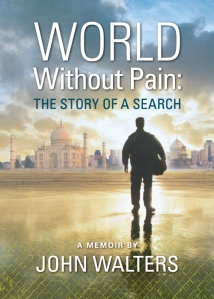
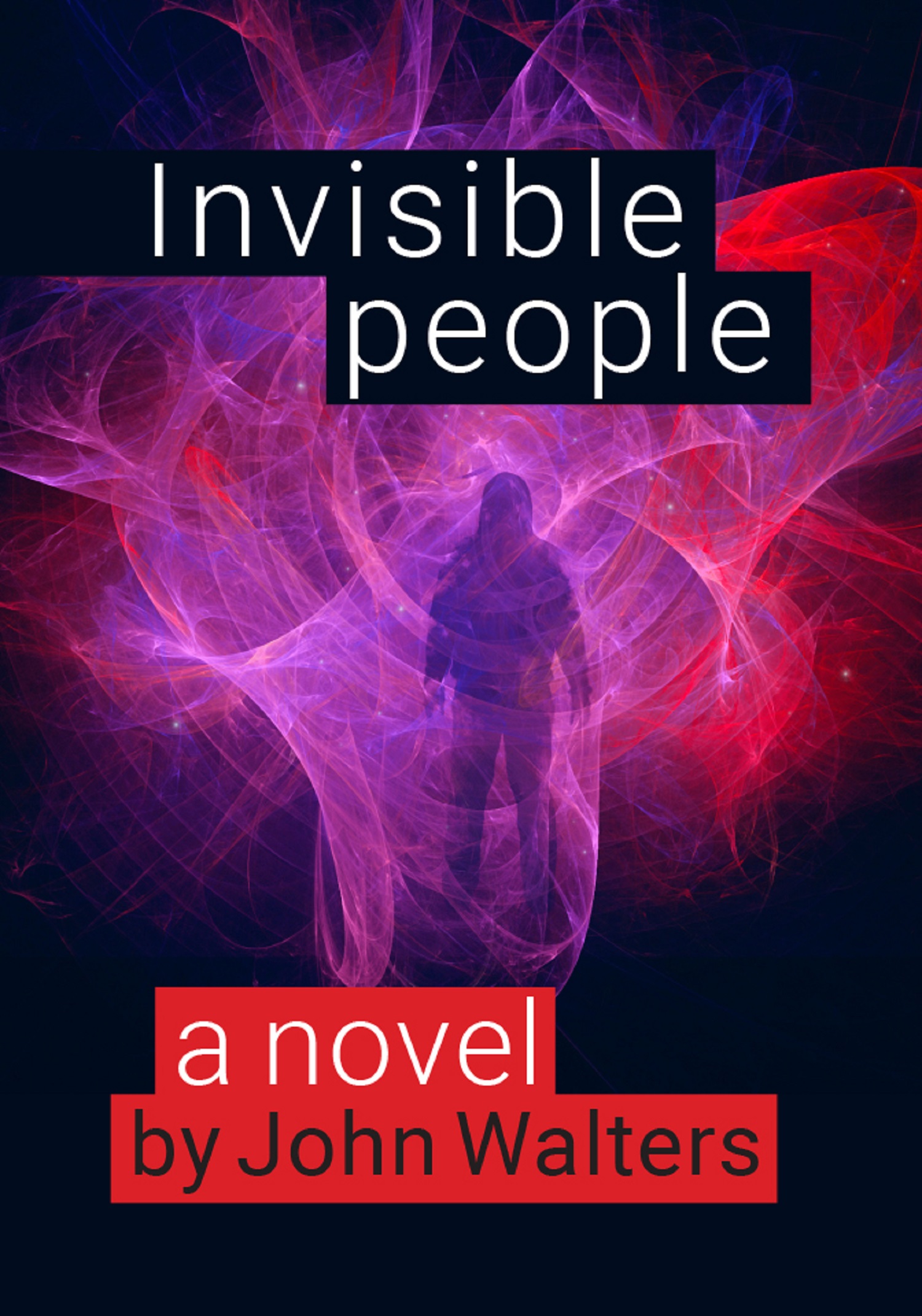
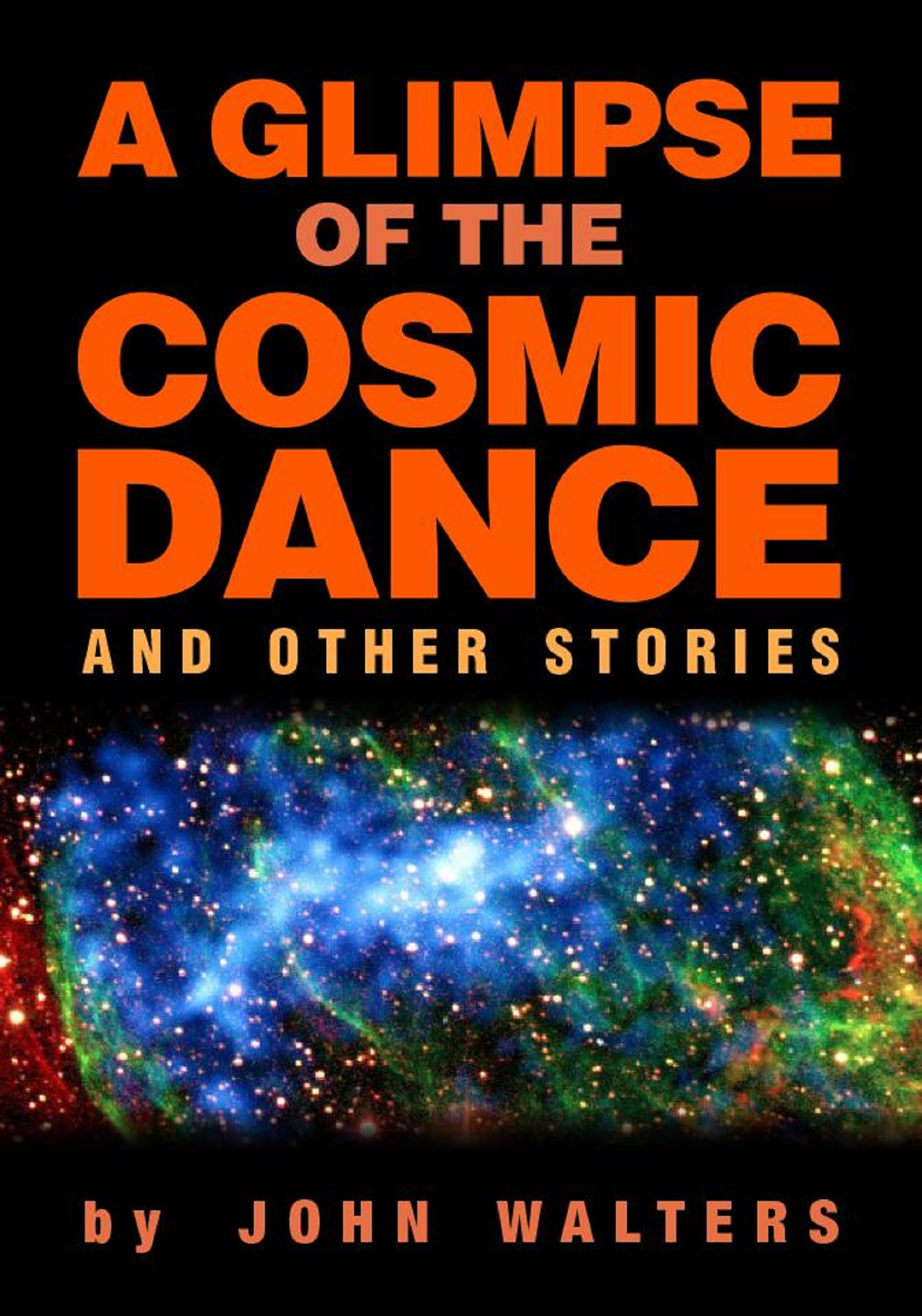
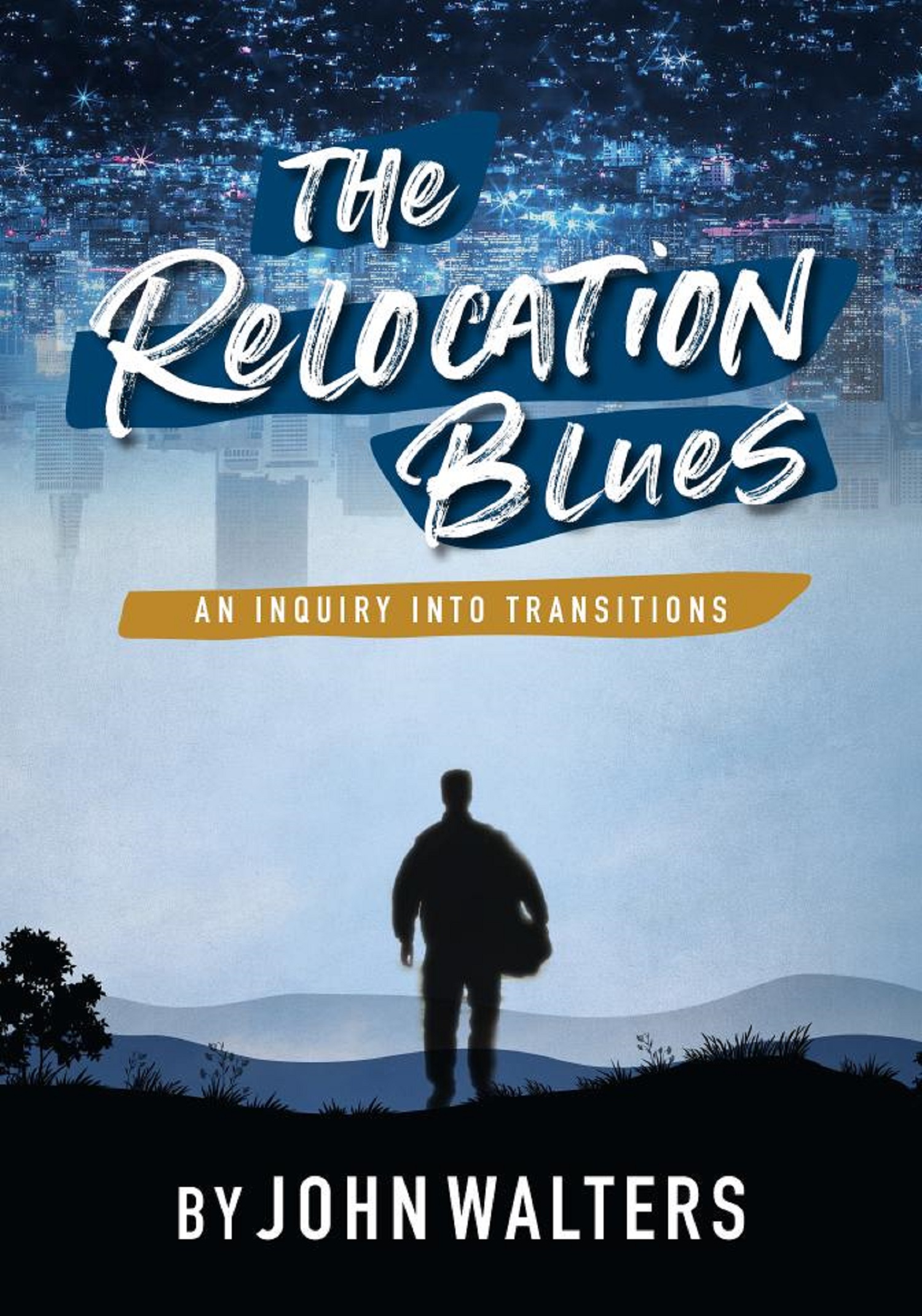
I’m a professional writer; I make my living by my words. I’m happy to share these essays with you, but at the same time, financial support makes the words possible. If you’d like to become a patron of the arts and support my work, buy a few of my available books or available stories. To send a one-time or recurring donation, click here. You can also donate via my Patreon account. Thanks!

















 John Walters